Patina statues
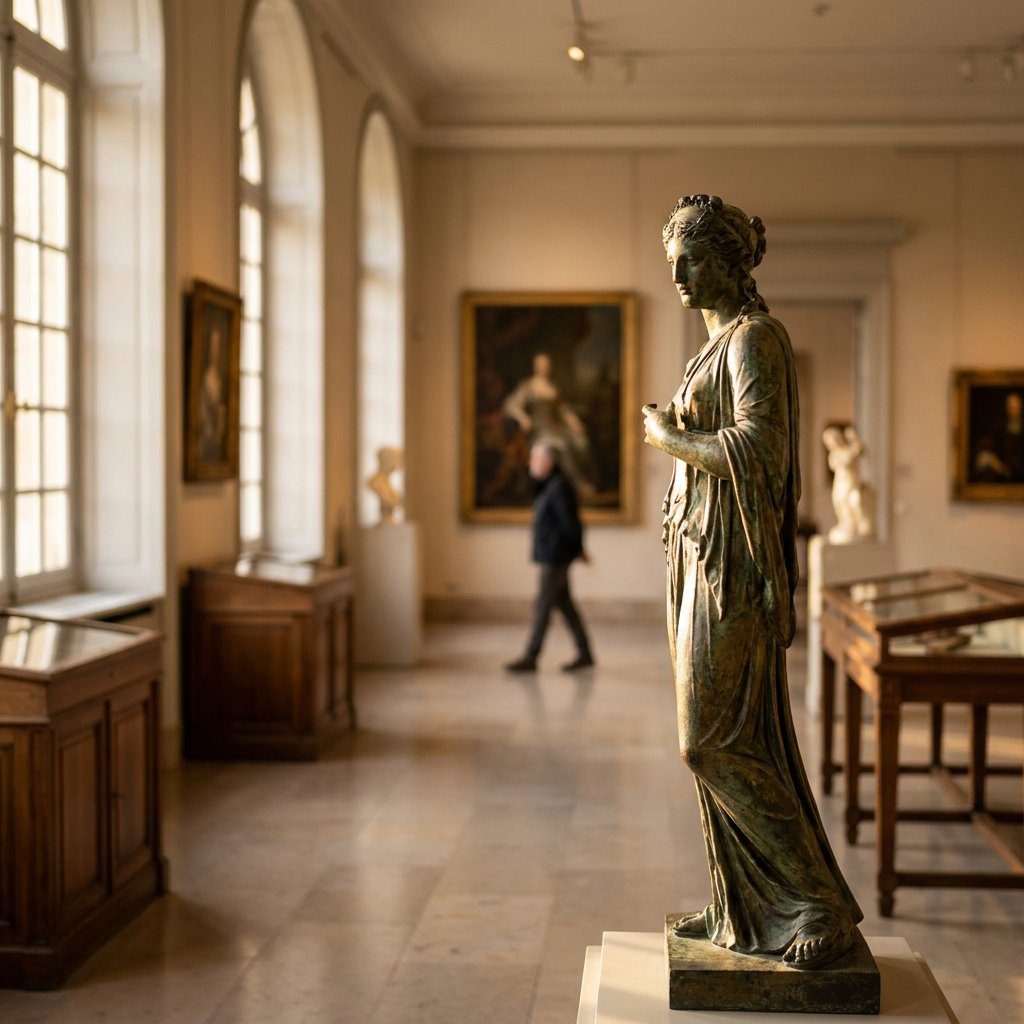
Patina gives bronze statues the depth, warmth, and sense of history that make them compelling in a home, gallery, or distinguished interior. Over time, bronze naturally responds to its environment, developing subtle changes across its surface.
Share:
What is patina on a statue?
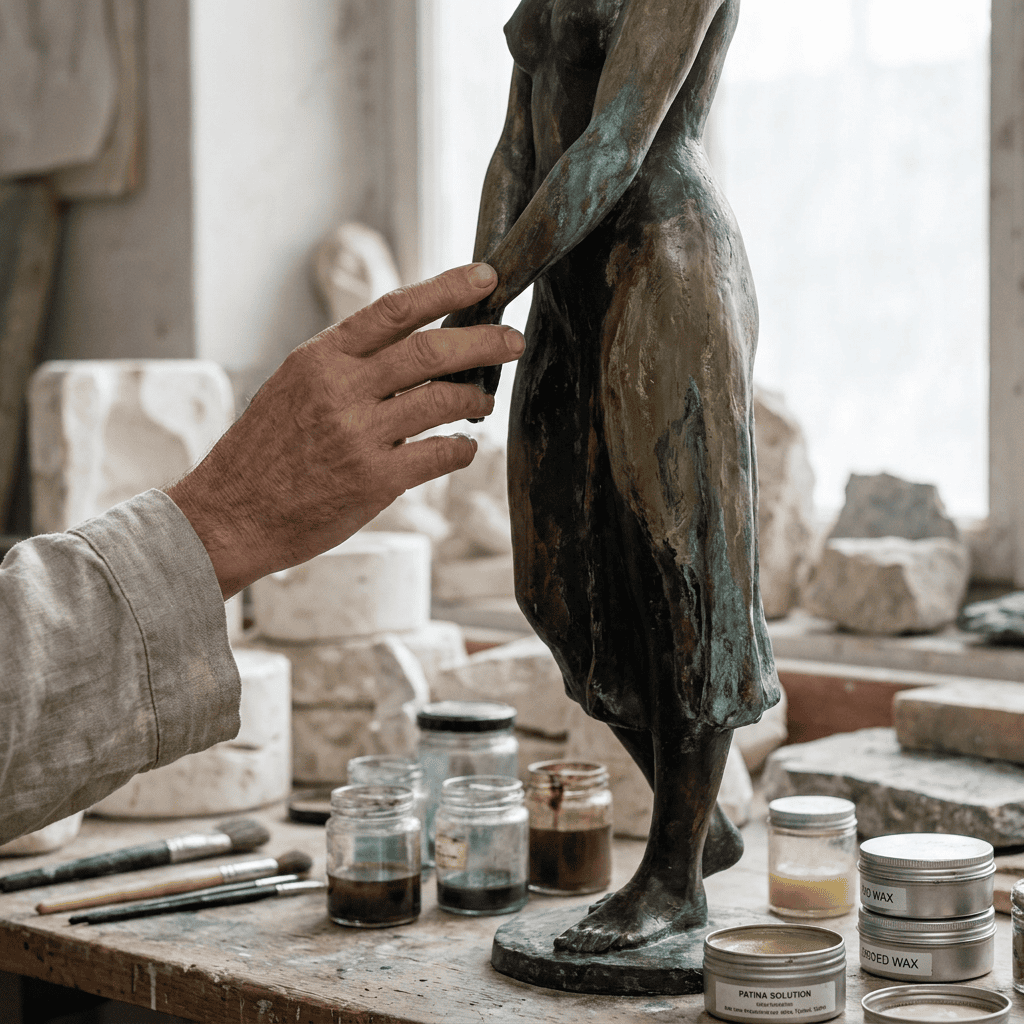
Patina is the surface change that develops as metal reacts gradually with air, moisture, and its surroundings. On bronze, it may appear as deep brown, soft olive, green, or blue-green tones, depending on the alloy and the conditions around the sculpture.
In art, patina is more than a sign of age. It contributes to the visual reading of a sculpture by bringing out contours, recesses, and modeled details. The changing surface can give a bronze statue a richer, more layered appearance than freshly polished metal. Readers interested in material differences for home displays can explore marble vs bronze for home displays to see how these materials differ in character and finish.
Why bronze patina matters
Bronze has been valued for sculpture since antiquity for its strength, fine detail, and expressive surface. Its patina is part of that tradition. Rather than remaining visually static, a bronze sculpture can acquire an evolving finish that reflects time and placement.
- Visual depth: Subtle tonal variation helps define the sculpture’s form and detail.
- Historical character: A naturally developing surface complements classical and historical subjects.
- Material presence: Patina emphasizes the distinctive character of bronze rather than concealing it.
Natural patina on bronze sculpture replicas
Bronze sculptures develop a natural patina over time. The pace and appearance of this change vary with light, humidity, handling, and whether the piece is displayed indoors or outdoors. For this reason, every bronze statue develops an individual surface character.
Natural patina should not be confused with damage. Even surface changes can be part of bronze’s normal aging process. Sudden powdery or unusually bright green areas, however, may indicate active corrosion and are best assessed by a qualified conservator. For a focused comparison of how process affects surface color and aging, see the differences in patina between cold‑cast and foundry bronze.
Choosing a bronze statue for your interior
When selecting a bronze patina sculpture, begin with the artwork itself: its historical subject, scale, silhouette, and relationship to the surrounding architecture. Bronze works especially well where you want a focal point with weight, detail, and timeless visual presence. Explore ways to display museum replicas in homes, offices, and galleries.
Museum Replicas creates handcrafted bronze reproductions of iconic historical works, including classical figures such as Myron’s Discobolus and Standing Woman, available in multiple sizes. Readers can also learn how our replicas are made. Our pieces are crafted to match museum standards. For a particular setting or project, custom bronze recreations and original commissions can be tailored to your space and vision.
Caring for patina statues
Gentle care helps preserve the sculpture’s surface. Dust indoor bronze statues with a soft, dry cloth and avoid abrasive pads, metal polishes, or household cleaners, which can alter the patina. Keep the piece away from persistent moisture and avoid excessive handling where possible.
Outdoor bronze requires more attentive care because rain, salts, pollutants, and temperature changes affect the surface more quickly. For valuable or historic-style sculptures, professional guidance is advisable before using any cleaning or protective product.
Patina and the enduring appeal of classical bronze
A bronze statue gains much of its beauty from the dialogue between modeled form and changing surface. Patina lends a sense of depth that suits classical sculpture, from athletic Greek figures to graceful later works. Bring timeless art into your space with a handcrafted bronze reproduction, or commission a piece tailored to your home, office, or design project.
Frequently asked questions
What does patina mean in art?
In art, patina refers to the surface character that develops on a material through age, use, exposure, or natural chemical change. On bronze sculpture, it is valued for the color, depth, and visual history it brings to the work.
Why is patina valuable on bronze statues?
Patina can enhance the appearance of bronze by defining details and creating nuanced color across the surface. On older works, an original, undisturbed patina may also be an important part of the sculpture’s historical character.
Will a bronze statue change color over time?
Yes. Bronze naturally develops patina over time, though the result and rate of change depend on the environment. Indoor and outdoor placement can lead to noticeably different surface development.
Article details:
- Published by:
- Museum Replicas
- Published to:
- Last modified:
- September 14, 2026
Share:
Continue learning: