How Art Replicas Are Crafted to Match Museum Standards
Museum-quality replicas require master artisans, authentic materials, and time-honored techniques that mirror original masterpieces—not mass production shortcuts.
Share:

Summary:
What Museum Quality Replicas Actually Mean
The term “museum quality” gets thrown around a lot. But when it comes to art replicas, it has a specific meaning that goes beyond marketing speak.
A museum-quality replica is created to match the original artwork’s color, texture, scale, and technique. Not just photographed and printed. Not mass-produced in a warehouse. We’re talking about pieces crafted by skilled artisans who study the original work and recreate it using the same methods the original artist used.
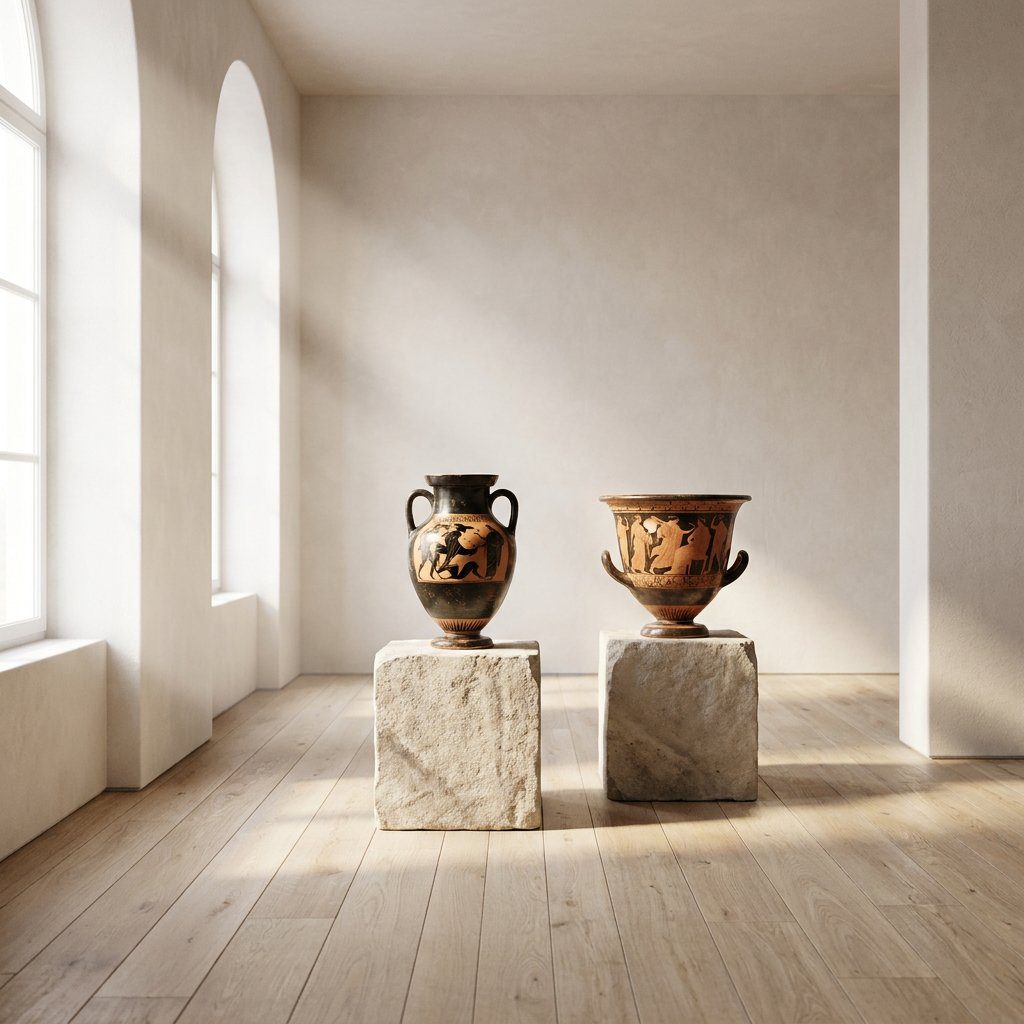
That means if you’re looking at a Greek vase replica, it should be hand-painted by a potter in Greece using traditional techniques. If it’s a Renaissance painting reproduction, the artist should be layering oil paints on canvas the same way masters did five centuries ago. The goal isn’t just to look similar—it’s to capture the essence, the weight, the presence of the original.
Materials That Meet Museum Standards

Walk into any reputable museum shop or high-end gallery in California, and you’ll notice something: quality replicas feel different. They have weight. Texture. Depth.
That’s because the materials matter. A lot.
For painted reproductions, museum-quality pieces use premium oil paints—often the same brands professional artists rely on, like Winsor & Newton. The canvas isn’t cheap cotton blend; it’s heavy-duty linen, usually 400gsm or higher, stretched and primed properly. These materials don’t fade in five years. They’re built to last decades, just like the originals.
For sculpture replicas, you’re looking at bonded marble, cold-cast bronze resin, or actual bronze castings depending on the piece. Greek pottery replicas use authentic clay from the regions where the originals were created. It’s not about finding the cheapest substitute—it’s about matching what the original artist had access to.
The difference shows up immediately. Cheap replicas use dye-based inks that fade under sunlight within months. They’re printed on thin paper or low-grade canvas that warps with humidity. Museum-standard pieces use archival, pigment-based materials designed to resist fading for a century or more.
Interior designers working on luxury hotel projects in Los Angeles or San Francisco know this. When you’re specifying art for a space that needs to maintain its elegance for years, you can’t cut corners on materials. The piece either holds up, or it doesn’t. There’s no middle ground.
And here’s what most people miss: the material quality affects more than just longevity. It changes how light interacts with the surface. How colors appear at different times of day. Whether the piece commands attention or fades into the background.
That’s why museums themselves often use high-quality replicas in educational settings or when the original is too fragile for display. The replica needs to convey the same visual and emotional impact. If the materials are wrong, the whole illusion falls apart.
The Difference Between Prints and Handcrafted Replicas
Let’s clear something up right now: there’s a massive difference between a print and a handcrafted replica. And if you’re investing in art for your home or a commercial project, you need to know which one you’re getting.
A print—even a high-quality giclée print—is a photograph of the original artwork reproduced using inkjet technology. It can look beautiful. The colors can be accurate. But it’s fundamentally flat. There’s no texture. No brushstrokes. No layering of paint that catches light differently depending on where you’re standing.
Handcrafted replicas are different animals entirely. An artist sits down with a blank canvas and recreates the painting stroke by stroke. They mix colors by hand to match the original palette. They build up layers of paint over weeks, letting each layer dry properly before adding the next. The result isn’t just a picture of the artwork—it’s a recreation of the artwork itself.
You can see it when you get close. With a print, everything is smooth and uniform. With a hand-painted replica, you see the texture of individual brushstrokes. You see where the artist applied paint more heavily in certain areas. You see the subtle variations in color that come from hand-mixing paints rather than letting a printer do the work.
For California collectors and interior designers, this distinction matters. A print might work fine in a casual space. But if you’re designing a luxury hotel lobby or a collector’s private gallery, you need something with presence. Something that holds up when guests or visitors get close enough to really look.
The same principle applies to sculpture replicas. A cheap resin casting from a mold is one thing. A hand-finished bronze replica with carefully applied patina is something else entirely. The craftsmanship shows. Always.
And here’s the practical side: hand-painted replicas hold their value better. They’re not mass-produced. Each one takes weeks or months to create. That scarcity, combined with genuine craftsmanship, means you’re not just buying decoration—you’re investing in a piece that carries real artistic merit.
Museums understand this. That’s why educational displays often feature hand-crafted replicas rather than prints. The goal is to give visitors a sense of what the original feels like, not just what it looks like in a photograph. Texture, scale, and physical presence matter.
If someone’s trying to sell you a “museum-quality replica” but it’s actually just a print, walk away. Real museum-standard work involves actual artisan skill, not just a good printer.
The Replica Art Process Behind Museum Quality Craftsmanship
Creating a museum-quality replica isn’t a weekend project. It’s a methodical replica art process that can take months, depending on the complexity of the piece.
Here’s what actually happens behind the scenes. First, we work with artisans who study the original work extensively—examining high-resolution images, understanding the artist’s technique, analyzing color palettes and brushwork patterns. For historical pieces, this might mean researching the specific methods used during that era.
Then comes the actual creation. For paintings, the artist sketches the initial composition onto prepared canvas. Layer by layer, they build up the image, matching not just colors but the way paint was applied. Oil paintings require time between layers for proper drying. Rush that process, and the whole piece can crack or deteriorate.
Sculpture replicas involve molding techniques, casting, and extensive hand-finishing. Patinas are applied in multiple layers to achieve that aged, authentic look. Details that might have softened in the molding process get re-etched by hand. It’s painstaking work that requires both technical skill and artistic sensitivity.

Why Greek Vases Are Made in Greece
There’s a reason authentic Greek vase replicas come from Greece, crafted by master potters who’ve spent decades perfecting traditional techniques.
The clay matters. The specific composition of Greek clay creates a particular texture and color that’s difficult to replicate elsewhere. But beyond materials, it’s about preserving knowledge that’s been passed down through generations of artisans.
Traditional Greek pottery involves techniques that aren’t taught in most modern art schools. The way the clay is prepared. How the vessel is thrown on the wheel. The specific methods for creating black-figure or red-figure decoration. These aren’t things you can learn from a YouTube video—they require years of apprenticeship under master craftspeople.
When a Greek artisan creates a vase replica for us, they’re not just copying the design. They’re using the same hand motions, the same tools, the same firing processes that potters used 2,500 years ago. That authenticity shows in the final piece.
California interior designers working on Mediterranean-inspired projects or museum installations understand this distinction. A vase made in a factory using modern shortcuts might look okay in a photograph. But put it next to a piece created using traditional methods, and the difference is obvious. The proportions feel right. The surface has the correct texture. The painted details have the confidence that comes from genuine expertise.
This principle extends beyond Greek pottery. Renaissance painting techniques are best preserved by European artists who’ve trained in those specific traditions. Asian art forms carry regional knowledge that’s geographically rooted. Trying to shortcut that by having everything made in one factory location means losing the very authenticity that makes museum-quality replicas valuable.
It also speaks to a larger philosophy: respect for the original culture and art form. When you commission a replica from artisans in the work’s country of origin, you’re supporting the continuation of traditional crafts. You’re ensuring that knowledge doesn’t disappear. And you’re getting a piece that carries genuine cultural authenticity, not just surface-level imitation.
For collectors and institutions, this matters. The provenance of the replica itself becomes part of its value. Knowing your Greek vase was made by a master potter in Athens using traditional techniques adds meaning beyond just visual accuracy.
Hand-Finishing and Historical Accuracy
The final stages of creating a museum-quality replica often determine whether it succeeds or fails. This is where hand-finishing and attention to historical accuracy separate true craftsmanship from mediocre work.
Hand-finishing involves all the subtle touches that bring a replica to life. For painted works, it might mean adding final glazes that create the right level of depth and luminosity. For bronze sculptures, it’s the careful application of patina—those greens, browns, and blacks that make metal look aged and authentic rather than shiny and new.
This process can’t be rushed. Patinas are built up in layers, sometimes requiring days between applications. Artists might use specialized techniques like grinding or sanding specific areas to create the appearance of natural wear. Every detail gets scrutinized: does this look like it’s been sitting in a museum for decades, or does it scream “brand new”?
Historical accuracy goes beyond just copying what you see. It means understanding why the original looks the way it does. Renaissance paintings often have a crackle pattern in the paint surface—not because the artist intended it, but because centuries of aging created those fine lines. A truly museum-quality replica might replicate that crackling to achieve visual authenticity.
For California projects—whether it’s a luxury hotel in Beverly Hills or a private collection in San Francisco—this level of detail matters. Guests and collectors notice. They might not consciously identify what makes one piece feel more authentic than another, but they register the difference. The piece either commands respect, or it doesn’t.
Artisans creating museum-standard work often spend as much time on finishing as they did on the initial creation. They’ll step back, examine the piece from multiple angles and lighting conditions, make tiny adjustments. It’s this obsessive attention to detail that justifies the higher price point and longer creation time.
And here’s something most people don’t consider: historical accuracy includes getting the proportions exactly right. A sculpture that’s even slightly off in its dimensions won’t feel correct, even if casual observers can’t pinpoint why. Master artisans use precise measurements and scaling techniques to ensure every aspect matches the original’s proportions.
This is why truly custom, made-to-order replicas take time. There’s no rushing perfection. Each piece progresses at its own pace, dictated by the requirements of the materials and techniques involved. Progress photos at various stages let clients see the work developing, but the timeline remains governed by what the piece needs, not arbitrary deadlines.
Museums themselves rely on this level of craftsmanship when they need replicas for educational programs or when originals are too fragile for display. The replica has to withstand close scrutiny from art historians and educated visitors. Anything less than museum-standard quality would undermine the institution’s credibility.
Choosing Museum Quality Replicas for Your California Project
If you’re considering museum-quality replicas for your home, collection, or commercial project in California, you now understand what separates authentic craftsmanship from mass-produced alternatives.
Real museum-standard work involves skilled artisans, authentic materials, time-honored techniques, and an obsessive commitment to historical accuracy. It takes months, not days. It costs more than prints or factory reproductions. But the result is a piece that carries genuine artistic merit and stands the test of time.
Whether you’re an interior designer specifying art for a luxury hotel, a collector building a personal gallery, or a museum seeking educational pieces, the principles remain the same. Look for transparency about materials and processes. Ask about the artisans creating the work. Understand that quality takes time.
We bring nearly two decades of expertise connecting clients with master artisans worldwide. Every piece we create is made-to-order, ensuring your vision becomes reality through authentic craftsmanship that honors both the original masterpiece and your unique requirements.
Article details:
- Published by:
- Museum Replicas
- Published to:
- Last modified:
- February 25, 2026
Share:
Continue learning: