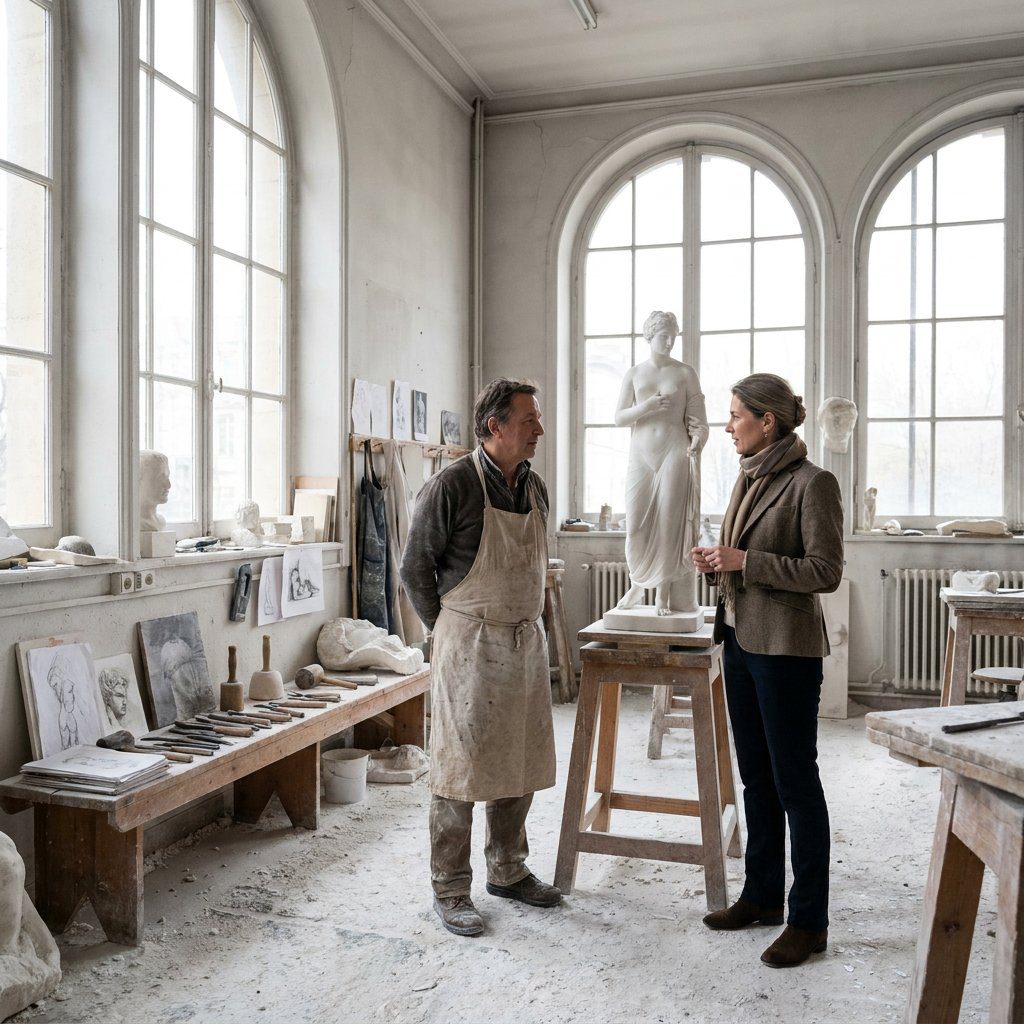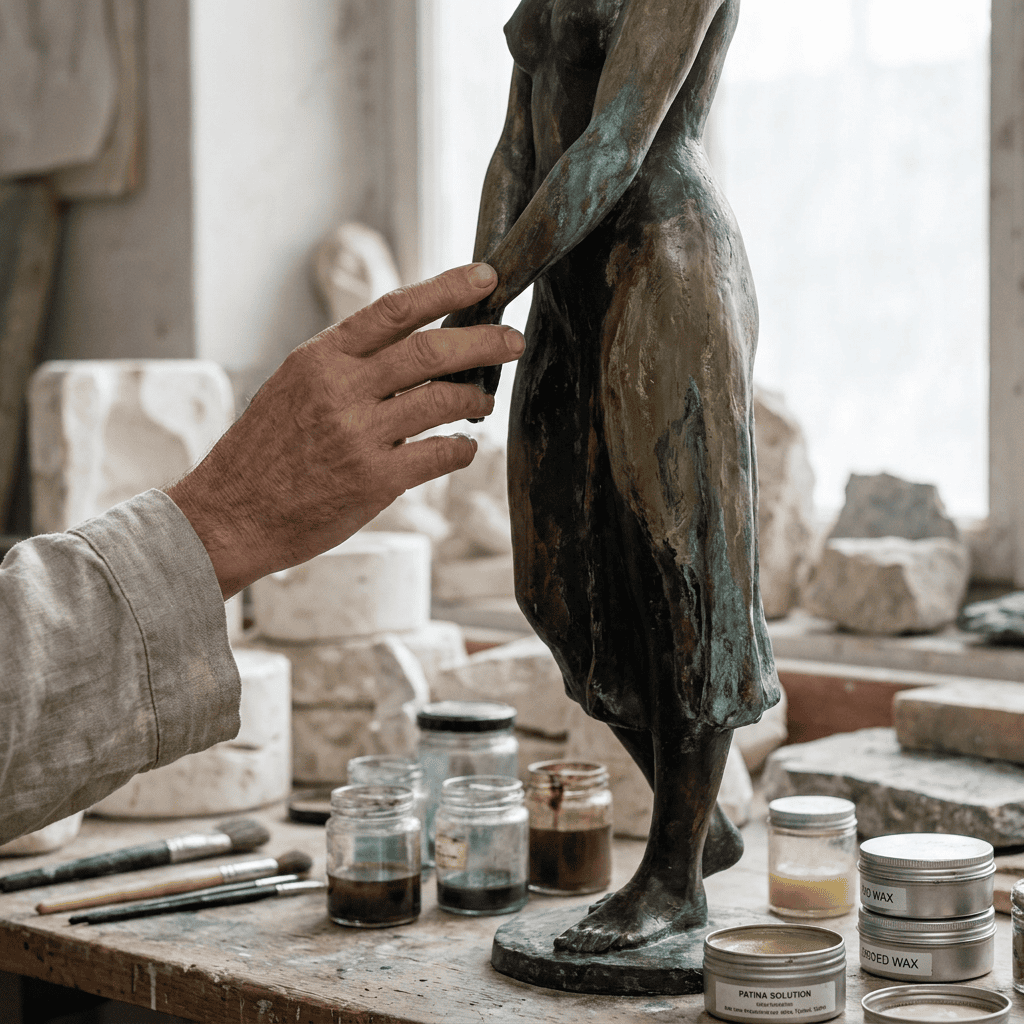
Custom oil painting reproductions
A custom oil painting reproduction gives you more than a recognizable image on canvas. It gives you the atmosphere, scale, texture, and cultural presence of a historic work, recreated for the way you actually live or design today. The strongest commissions begin with careful reference research, thoughtful sizing, and hand painting that respects the original composition rather than flattening it into generic wall decor. At Museum Replicas, based in Okemos, Michigan, that process is centered on public-domain masterpieces and bespoke craftsmanship for private collectors, designers, and institutions across the United States, Canada, Mexico, and beyond.
Share:
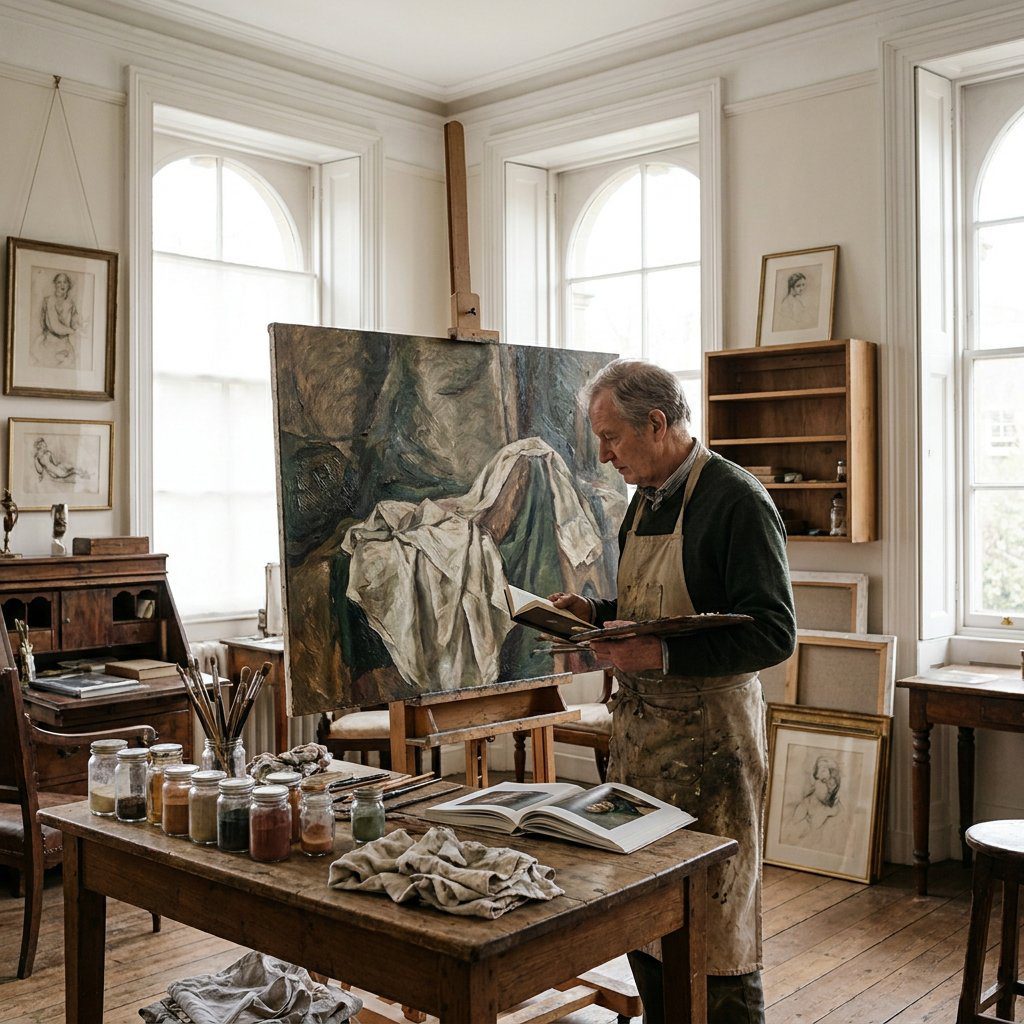
If you are comparing studios or trying to understand what separates a refined reproduction from an ordinary copy, the most important questions are practical ones: how the original is studied, how the artist is selected, how the painting is scaled, and how the final piece is prepared for display. Those steps determine whether a reproduction feels convincing, balanced, and enduring in a real interior.
What makes a reproduction feel truly museum quality?
Museum-quality handmade oil painting reproductions are defined by discipline as much as by talent. A serious reproduction is painted by hand in oils on canvas, but the materials alone are not enough. The artist must understand the original painting’s proportions, color relationships, brush rhythm, and visual weight so the finished work preserves the integrity of the source. For a deeper look at the process, see how art replicas are crafted to match museum standards.
That is especially important because not every masterpiece asks for the same treatment. A classical composition may require a smoother, more controlled finish, while an Impressionist or post-Impressionist work depends on visible movement, broken color, and surface energy. When those distinctions are ignored, reproductions can look decorative rather than historically informed. When they are respected, the painting carries the elegance and presence that make collectors and designers choose hand-painted art over mass-produced alternatives.
How the custom reproduction process works
Choosing the artwork and defining the brief
The process starts with the painting itself and the context in which it will be displayed. Some clients already know the exact masterpiece they want, while others begin with a movement, subject, or room mood. A landscape, portrait, marine painting, floral still life, or Renaissance scene will each create a different effect in an interior, so the brief should cover the artwork, desired dimensions, preferred orientation, and whether the piece is intended for a residence, hospitality setting, office, or larger design project.
For custom requests outside a standard catalog, the reference image also matters. Clear source material allows the studio to assess detail level, scale, and feasibility before work begins. For historical artworks, the safest approach is to work from reliable museum references and public-domain pieces, which keeps the commission both visually accurate and legally compliant.
Researching the original before painting begins
A refined reproduction is prepared before it is painted. This stage often includes checking reference images against known museum sources, confirming the original proportions, and reviewing how color, light, and detail should read at the chosen size. Good preparation protects the painting from common problems such as distorted cropping, compressed figures, or tonal imbalance.
Preserving composition and proportion
One of the most important decisions is whether to keep the original aspect ratio. In most cases, preserving proportion maintains the balance intended by the original artist. That matters whether the painting is reduced for a narrower wall or enlarged into an oversized statement piece. A custom size should adapt the artwork to the room without sacrificing its structure.
Respecting historical surface character
Not all paintings should look equally smooth or equally textured. Earlier works may call for restraint and subtle layering, while later movements often depend on lively brushwork and visible paint handling. Matching that surface character is one of the clearest signs that a reproduction has been approached with knowledge rather than guesswork.
Matching the commission to the right artist
Different painters excel in different visual languages. A detailed academic portrait, an atmospheric seascape, and a luminous Impressionist garden do not demand the same hand. A strong studio assigns each commission according to stylistic fit, because that improves both accuracy and expression. This is one reason the process matters so much in custom oil painting reproductions: the quality of the result is shaped not only by effort, but by the relevance of the artist’s strengths to the chosen masterpiece.
Hand painting, review, and finishing
Once the brief and references are approved, the painting moves into production. The artist develops the work in stages, usually beginning with drawing and tonal structure before building color, depth, and surface character through layers of oil paint. Throughout the process, the goal is not mechanical duplication but a faithful, handcrafted interpretation that preserves the identity of the original.
Before shipping, the finished piece should be reviewed for overall composition, craftsmanship, and visual impact at full scale. That final inspection is essential, especially for larger commissions, because a painting must work both up close and from normal viewing distance. For many projects, clients also decide at this stage whether the work should arrive as canvas only, stretched for display, or paired with a carefully chosen frame that suits both the artwork’s period and the room where it will hang.
Choosing artwork, size, and presentation for your space
Selecting the right source painting
The best choice is usually the work you will want to live with for years, not simply the most famous title. Interior palette, wall dimensions, furnishings, and the mood of the room all influence the right direction. Some spaces benefit from the calm of landscapes and coastal scenes, while others call for the gravitas of portraits, religious art, or a dramatic historical composition. Designers often begin with atmosphere first, then narrow the selection by movement, subject, and color. For inspiration and examples to commission, explore the reproductions of famous paintings guide.
Custom sizing without losing presence
Custom dimensions are one of the main advantages of commissioning a reproduction. A painting can be scaled for a foyer, dining room, mantel wall, boardroom, or hospitality project, provided the original balance is respected. Larger formats can reveal detail and grandeur, while smaller versions can bring a museum favorite into more intimate rooms. The key is to scale thoughtfully rather than force an artwork into a format it was never meant to occupy.
Canvas and frame decisions
Presentation shapes the final effect. A reproduction on stretched canvas offers immediate structure, while a carefully chosen frame can deepen the painting’s period character and tie it to surrounding architecture or furnishings. In refined interiors, framing should support the artwork rather than compete with it. That is why custom presentation is part of the overall commission, not an afterthought. For options and recommendations, consult the framed oil painting reproductions guide.
Why collectors and designers choose custom reproductions
Original masterpieces are financially and logistically out of reach for nearly everyone, yet the desire to live with great art remains timeless. Custom reproductions make that experience accessible in a serious way. They allow homeowners to bring history and elegance into daily life, and they give designers a practical route to large-scale, historically resonant art tailored to a project’s exact needs.
This is also where handmade work stands apart from generic decor. A well-made reproduction has texture, depth, and object presence. It feels considered in the room, especially when the size, subject, and finish have been chosen for the space rather than taken from a fixed retail format. For discerning clients, that difference is often the reason to commission a custom piece at all.
Copyright and delivery considerations
For art reproduction, legal clarity matters. Reputable studios work with public-domain paintings or with source material for which the necessary rights and permissions are in place. That protects intellectual property and ensures the commission is respectful of the original artist’s status and legacy. If a requested image is still under copyright, reproduction should not proceed without proper authorization.
Delivery planning matters as well, particularly for international orders and large formats. Packaging, customs documentation, and import compliance can affect timelines for shipments entering the US, Canada, and Mexico. A professional process accounts for those practicalities early, so the artwork arrives ready for its intended destination with fewer surprises along the way.
Frequently asked questions about custom oil painting reproductions
Are oil painting reproductions worth anything?
Yes, but their value is different from the value of an original masterpiece. A reproduction’s worth comes from the skill of the artist, the quality of materials, the scale of the work, the historical fidelity of the interpretation, and the visual impact it brings to a space. For many buyers, its real value lies in craftsmanship and enduring presence rather than speculation.
Where can I find custom oil painting reproductions?
The strongest option is usually a specialist studio focused on handcrafted reproductions rather than mass-market decor. Look for clear information about hand-painting methods, custom sizing, reference quality, presentation options, and copyright compliance. Those details tell you far more than marketing language alone.
How should I evaluate a reproduction company?
Start with process transparency. A trustworthy company should explain how artwork is researched, how artists are matched to style, how custom dimensions are handled, and how finished pieces are reviewed before shipment. It should also be clear about using public-domain works or properly authorized source material. To assess craftsmanship and materials before commissioning, use the quality checklist for hand‑painted oil reproductions.
Can a reproduction be made in a different size?
In most cases, yes. Custom sizing is common and often one of the main reasons clients commission a reproduction. The important point is to preserve the original proportions whenever possible, because changing the aspect ratio too aggressively can weaken the composition.
What is the difference between a canvas print and a hand-painted reproduction?
A canvas print transfers an image mechanically, while a hand-painted reproduction recreates the artwork through oil paint, brushwork, and layered surface character. Prints can preserve exact graphic detail, but a painting offers texture, depth, and the presence of an original handcrafted object. For a full breakdown, see oil‑on‑canvas reproductions vs. prints.
Can any artwork be reproduced?
No. Historical masterpieces in the public domain are usually suitable, but copyrighted works require permission from the rights holder. Respecting those boundaries is an essential part of a professional and ethical reproduction process.
Article details:
- Published by:
- Museum Replicas
- Published to:
- Last modified:
- September 23, 2026
Share:
Continue learning: