Ways to Display Museum Replicas in Homes, Offices, and Galleries
Discover professional techniques for displaying museum replicas that enhance visual impact while protecting your investment in homes, offices, and gallery spaces.
Share:

Summary:
Choosing the Right Location for Museum Replicas
Location determines everything. Place a piece in the wrong spot and you’re fighting an uphill battle with lighting, temperature swings, and visibility issues.
Start by mapping your space with these factors in mind: natural light sources, foot traffic patterns, and climate control. Museum replicas thrive in stable environments. That means avoiding exterior walls where temperature fluctuates, steering clear of areas directly above heating vents or fireplaces, and keeping pieces away from bathrooms and kitchens where humidity spikes.
Interior walls offer the most consistent conditions. They’re buffered from outdoor temperature changes and typically receive indirect light, which protects artwork from the kind of sun exposure that causes irreversible fading. For California homes with abundant natural light, this consideration becomes even more critical.
Display Placement for Sculptures and Three Dimensional Art

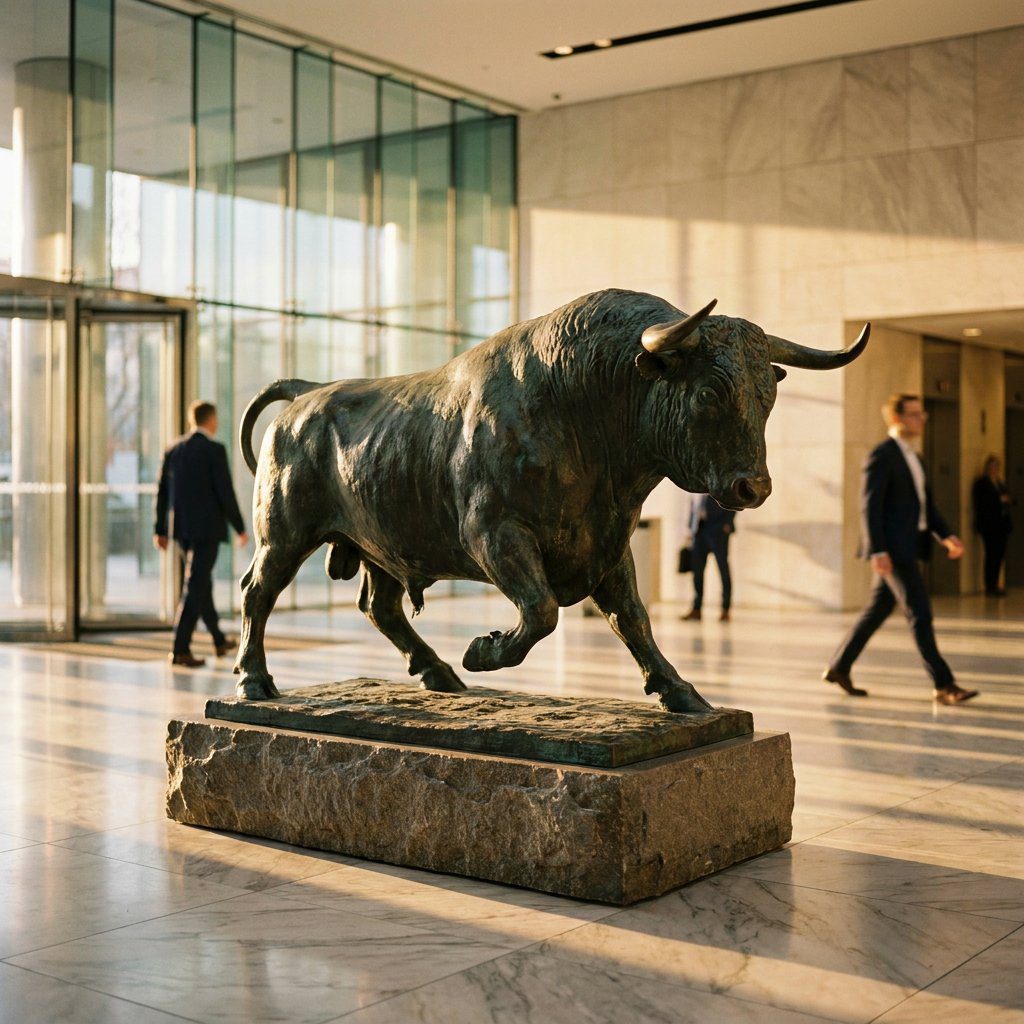
Sculptures demand a different approach than wall art. These pieces exist in three dimensions, which means they need space to breathe and angles that let viewers appreciate them from multiple vantage points.
Eye-level positioning works well for most sculptures. This puts the piece in your natural line of sight without forcing you to crane your neck or crouch down. For smaller sculptures under ten inches tall, shelves and side tables provide stable platforms that keep them accessible but protected from accidental bumps. Recessed spaces in walls or within bookcases create natural display niches that add architectural interest while showcasing your piece.
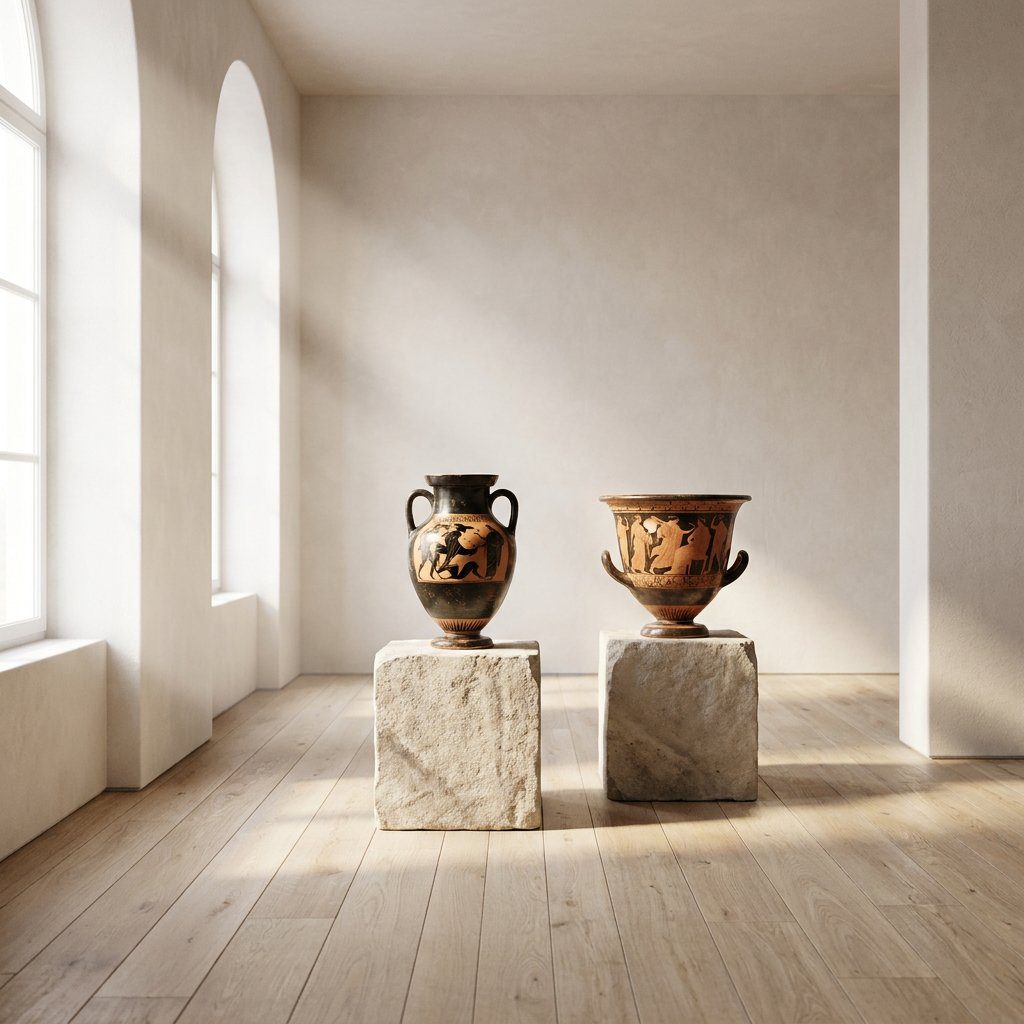
Pedestals elevate sculptures both literally and figuratively. They bring artwork to a comfortable viewing height and signal its importance in the space. When selecting pedestals, consider varying heights if you’re displaying multiple pieces together. This creates visual rhythm and prevents a static, museum-like feel that can make a home or office seem sterile. The pedestal itself should complement without competing—choose materials and finishes that enhance your sculpture rather than drawing attention away from it.
Traffic flow matters more with sculptures than with wall-mounted pieces. Position them where people naturally pause rather than in pathways where they create obstacles. A sculpture placed in the center of a living room might seem like an obvious focal point, but if it interrupts the room’s flow, it becomes a frustration rather than a feature. Corners, alcoves, and areas adjacent to seating arrangements work better because they’re out of the main circulation path while still being fully visible.
Window sills offer unique opportunities for smaller sculptures, particularly in California spaces where natural light is abundant. The key is avoiding direct sunlight, which generates heat and can damage delicate materials over time. If your window faces east or west, where morning or afternoon sun streams directly in, choose a different location or use UV-filtering window treatments that diffuse the light without blocking it entirely.
Wall Placement Strategies for Paintings and Decorative Art
Hanging art seems straightforward until you’re standing there with a hammer, a level, and a piece you’re afraid to damage. The difference between amateur and professional-looking displays often comes down to a few key principles.
Height matters first. The standard recommendation is positioning artwork so its center sits at eye level, typically 57 to 60 inches from the floor. This works for most spaces, but adjust based on your ceiling height and furniture placement. If you’re hanging art above a sofa or console table, leave 6 to 8 inches between the furniture top and the bottom of the frame. This creates visual connection without making the piece feel like it’s floating or cramping the furniture below.
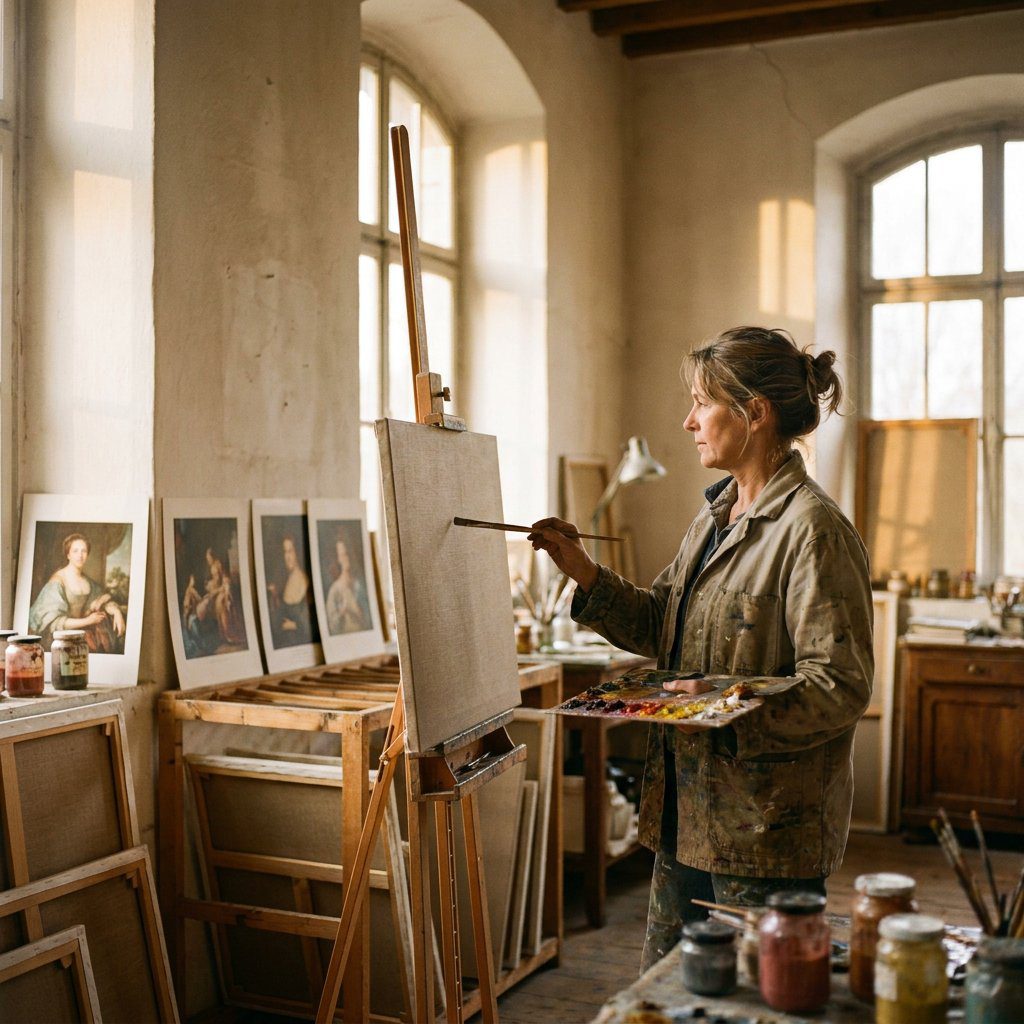
Gallery walls have become popular for good reason—they let you display multiple pieces while creating a cohesive visual statement. The salon-style approach, which originated in 17th-century Paris, involves covering a wall section with various pieces in different sizes and frames. This works particularly well for museum replica decor because it creates the feeling of a curated collection. The trick is planning your layout before you start drilling holes. Lay pieces out on the floor first, or use paper templates on the wall to visualize spacing and arrangement.
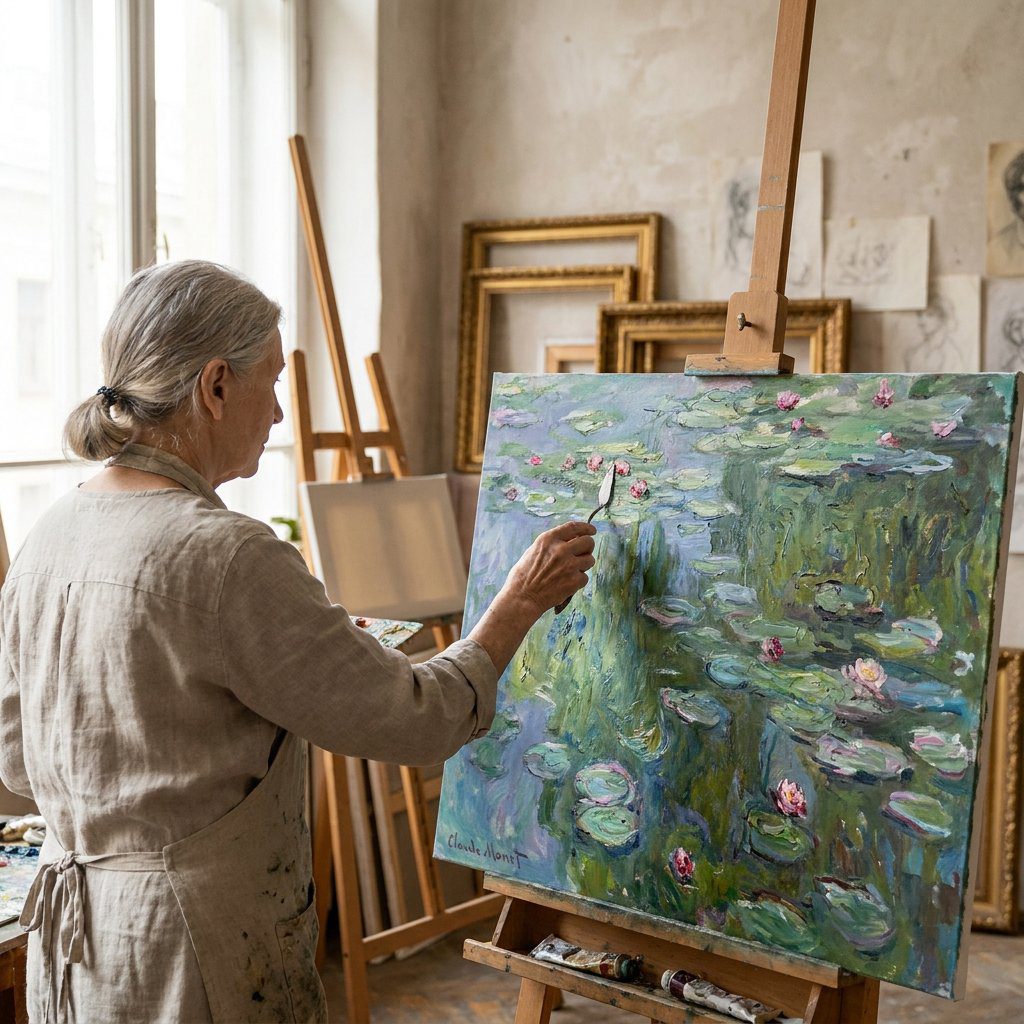
For single statement pieces, give them room to command attention. Surrounding a large painting with too many competing elements dilutes its impact. Let negative space work for you. A single museum-quality reproduction positioned on an otherwise minimal wall creates drama and sophistication that a cluttered arrangement never achieves.
Avoid hanging valuable pieces on exterior walls, especially in coastal California areas where moisture can penetrate. These walls experience more temperature fluctuation than interior ones, and that expansion and contraction stresses the materials in paintings and frames. The canvas tightens when humidity drops and loosens when moisture increases, eventually causing sagging or warping that requires professional restoration.
Lighting fixtures mounted directly to frames generate heat that damages artwork over time. If you want to highlight a specific piece, use diffused spotlights mounted at least ten feet away. This provides illumination without the heat buildup that comes from close-proximity lighting. Recessed ceiling lights or track lighting with adjustable heads give you flexibility to direct light exactly where you want it while maintaining safe distance from the artwork itself.
The area above a fireplace seems like prime real estate for art, but it’s actually one of the worst locations you can choose. Heat rises, temperatures fluctuate dramatically when the fireplace is in use, and soot can accumulate on the surface of the artwork. If you absolutely must use this space, ensure the fireplace is decorative only or install a substantial mantel that creates a heat barrier between the fire and the art above.
Lighting and Environmental Controls for Art Preservation
Light brings art to life, but it also destroys it. Every hour your museum replica spends exposed to light is an hour of slow, irreversible deterioration. The goal is finding the balance between visibility and preservation.
Natural light is the biggest threat. Direct sunlight contains UV rays that fade pigments, yellow varnishes, and break down canvas fibers. Even indirect natural light causes cumulative damage over time. For homes with large windows and abundant California sunshine, UV-filtering glass on windows becomes essential if you’re serious about protecting your investment.
Artificial lighting gives you more control. LED bulbs with a color temperature between 5,200 and 5,400 Kelvin provide the most accurate color rendering without generating excessive heat. Avoid positioning lights too close to artwork—maintain at least ten feet of distance for spotlights to prevent heat buildup that can crack paint or warp frames.

Temperature and Humidity Management for Museum Replicas
California’s climate varies dramatically from coastal areas to inland regions, and your art feels every degree of that variation. Museum replicas respond to environmental conditions just like original pieces do—they expand when warm and humid, contract when cool and dry.
The ideal environment maintains temperature between 65 and 75 degrees Fahrenheit with relative humidity between 40 and 60 percent. More importantly, these conditions need to stay stable. Fluctuations cause more damage than consistent conditions slightly outside the ideal range. When temperature or humidity swings rapidly, different materials in your artwork expand and contract at different rates. Canvas responds differently than paint, wood frames react differently than both, and this differential movement creates stress that leads to cracking, warping, and paint loss.
Air conditioning in summer and humidifiers in winter help maintain favorable conditions. If you’re displaying valuable pieces in a California home without climate control, focus on interior rooms away from windows and exterior doors where temperature remains most consistent. Basements might seem like good storage, but they often have humidity issues that promote mold growth and staining. Attics experience extreme temperature swings. Interior closets on middle floors typically provide the most stable environment for stored pieces.
Monitor conditions with an inexpensive hygrometer that tracks both temperature and humidity. Place it near your displayed artwork and check it regularly, especially during seasonal transitions when California weather shifts. If you notice humidity consistently above 60 percent, add a dehumidifier. Below 40 percent, introduce a humidifier. These adjustments protect your investment far more effectively than any restoration work after damage occurs.
Keep artwork away from heating and cooling vents where direct airflow creates localized climate extremes. That burst of warm air from a floor vent or cool air from a ceiling register might not seem significant, but repeated exposure causes the kind of expansion and contraction cycles that deteriorate artwork over time.
Protecting Art from Light Damage and Fading
Light damage accumulates silently. You won’t notice it day to day, but compare your artwork to a photograph taken when you first displayed it, and the difference becomes obvious. Colors dull, contrasts fade, and the vibrancy that made you fall in love with the piece gradually disappears.
The most damaging portion of the light spectrum is ultraviolet wavelength, and the strongest UV source is the sun. This is why direct sunlight is non-negotiable—never expose museum replicas to it, even for short periods. Those few hours of afternoon sun streaming through your west-facing window do more damage than weeks of artificial lighting.
For paintings and works on paper, keep light levels at or below 200 lux. Watercolors and pieces using dyes or lakes are even more sensitive and should be restricted to 50 lux maximum. You can measure light levels with the light meter in a standard camera or purchase an inexpensive lux meter designed for this purpose. These measurements might seem technical, but they’re straightforward once you understand the basics.
UV-filtering glass in frames adds a protective layer that blocks harmful rays while maintaining visibility. This is particularly valuable in California homes where natural light is a key design element. You get the brightness and openness that makes the space feel inviting without sacrificing your artwork’s longevity. The same principle applies to windows—UV-filtering film or coated glass reduces damage without requiring you to keep curtains drawn all day.
Rotate displayed pieces periodically if you have a larger collection. This distributes light exposure across multiple works rather than concentrating all the damage on a few favorites. A painting that spends six months displayed and six months in proper storage lasts twice as long as one that stays up year-round. This rotation also keeps your space feeling fresh and gives you opportunities to appreciate different pieces from your collection.
Turn off lights when rooms aren’t in use. It seems obvious, but many people leave gallery lights, track lighting, or even general room lights on throughout the day. Every hour of unnecessary exposure is an hour of preventable damage. Install timers or smart switches that automatically turn off lights during periods when no one is home or after a set duration.
Creating Lasting Displays for Your Museum Quality Art
Displaying museum replicas properly is about respect—for the craftsmanship, for your investment, and for the historical significance these pieces carry. When you position artwork thoughtfully, control environmental factors, and protect against light damage, you’re ensuring that future generations can appreciate these works just as you do today.
The principles covered here work whether you’re showcasing a single statement piece in your living room or curating an entire gallery wall in your office. Location, lighting, temperature, and humidity control aren’t complicated concepts, but they require attention and consistency. Small adjustments now prevent expensive restoration work later.
If you’re considering adding museum-quality replicas to your collection, we create bespoke pieces crafted by master artisans using traditional techniques. Each work is made to order, ensuring you receive a one-of-a-kind piece that brings history and beauty into your modern space.
Article details:
- Published by:
- Museum Replicas
- Published to:
- Last modified:
- February 18, 2026
Share:
Continue learning: