Palo Alto’s Love of Art: From University Influence to Home Collections
Palo Alto's blend of academic culture and tech sophistication creates perfect conditions for museum-quality art reproductions and historical replicas.
Share:

Summary:
How Stanford University Shaped Palo Alto's Art Collecting Culture
Stanford’s presence created something rare—an academic foundation that values historical authenticity over trendy decoration. The university’s museums and collections exposed generations to world-class art, developing sophisticated taste that extends throughout the community.
This influence shows in how people approach art today. Collectors care more about historical significance than price tags. They want to understand artistic techniques, cultural context, and the stories behind each piece.
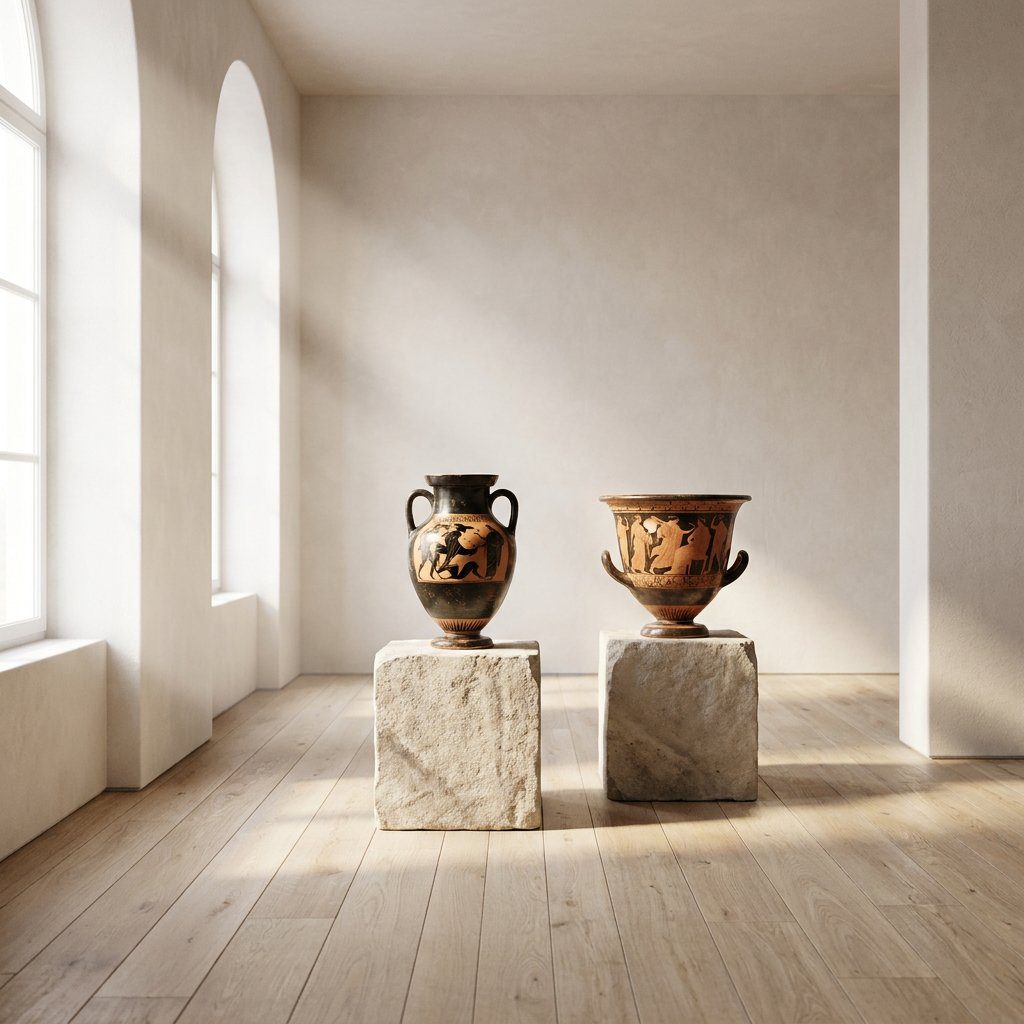
That mindset makes museum replicas particularly appealing here. When you commission a Greek amphora created by master potters in Greece, or a Renaissance painting using traditional techniques, you’re connecting with the same historical authenticity that draws you to museum originals.
Why Tech Professionals Choose Historical Art Reproductions Over Prints
Palo Alto’s tech community brings interesting dynamics to art collecting. These professionals understand quality, precision, and attention to detail in their work. They apply those same standards when choosing art for their homes.
Museum replicas appeal because they offer what mass-produced art prints can’t—genuine craftsmanship and historical accuracy. A custom reproduction created by skilled artisans using traditional methods represents the same pursuit of excellence they value professionally.
The practical advantages matter too. Original museum pieces are either unavailable for private ownership or cost more than most people want to spend on wall art decor. Museum-quality reproductions give you the visual impact, historical connection, and conversation value of originals without the prohibitive investment.
The creation process appeals to tech mindsets as well. These professionals appreciate transparency and communication. When artisans share progress photos, collect feedback, and allow input throughout creation, it mirrors the collaborative approach they use in their own work.
Many Palo Alto collectors also consider the investment angle. While fine art reproductions won’t appreciate like originals, high-quality pieces from reputable sources hold value better than mass-produced alternatives. You’re acquiring something that maintains its visual impact and craftsmanship value over decades.
The Festival of the Arts Effect on Local Art Appreciation
Every August, University Avenue becomes an open-air gallery attracting over 60,000 art enthusiasts. The Palo Alto Festival of the Arts has run for over four decades, shaping how the community approaches art acquisition and appreciation.
This festival differs from typical art fairs through its emphasis on craftsmanship over commercial appeal. The 250+ exhibitors are selected for artistic merit, creating an environment where visitors learn to distinguish genuine artistry from decorative products.
This educational aspect influences year-round collecting habits. Festival attendees develop eyes for quality materials, skilled techniques, and authentic artistic expression. They become more discerning about what deserves space in their homes.
The festival demonstrates something important about Palo Alto’s art scene—it’s community-focused rather than investment-driven. People buy art because they connect with it personally, not for speculation. This creates perfect conditions for museum replicas, which offer personal satisfaction without investment pressure.
Many festival visitors are repeat attendees who develop relationships with specific artists over years. This mirrors the personalized approach that works best with custom reproductions. When you work with artisans who understand your preferences and communicate throughout creation, results exceed what mass production can achieve.
The festival’s success reflects Palo Alto’s willingness to support quality craftsmanship. Visitors understand that skilled work takes time and commands appropriate pricing. This mindset translates perfectly to commissioning museum-quality reproductions, where focus remains on authenticity and craftsmanship rather than speed or lowest cost.
Building Authentic Art Collections with Museum Replicas
Creating an art collection in Palo Alto means balancing personal taste with cultural sophistication. You want pieces that reflect your interests while demonstrating understanding of artistic and historical significance.
Museum replicas solve challenges that original artwork presents. Availability is obvious—many pieces you admire in museums aren’t available for private ownership. But practical considerations matter too: size constraints, security concerns, and maintenance requirements.
The key is choosing reproductions that maintain original integrity. This means working with artisans who understand traditional techniques, use appropriate materials, and respect each piece’s historical context.
What Separates Museum-Quality Reproductions from Art Prints
Not all reproductions meet Palo Alto’s sophisticated standards, and the differences matter when you’re investing in pieces for your collection. Museum-quality reproductions distinguish themselves through factors that separate them from mass-produced art prints online.
Legal authenticity comes first. We work exclusively with public domain art—pieces where original artists have been deceased for at least 70 years. This ensures complete legal clarity while focusing on historically significant works with proven lasting appeal.
The creation process defines quality. Authentic reproductions use traditional techniques and materials appropriate to the original period. Greek vases should be made by skilled potters using clay and techniques from Greece. Renaissance paintings should use oil paints and canvas preparation methods that mirror historical practices.
Scale and proportion matter more than most realize. Museum-quality reproductions maintain exact dimensions and proportional relationships of originals. This affects how pieces interact with light, how details appear at viewing distances, and how they fit within your space.
Artisan skill level makes the difference between reproduction and copy. Master craftspeople understand not just techniques, but artistic intent behind each piece. They recreate subtle variations in brushwork, intentional imperfections in pottery, and aging characteristics that give historical pieces authentic appearance.
Documentation and provenance add authenticity layers. We provide detailed information about original pieces, creation processes, and materials used. This transparency lets you understand exactly what you’re acquiring and share that knowledge with others who appreciate the work.
Communication throughout creation distinguishes custom reproductions from mass production. You’re not buying a product; you’re commissioning a unique piece created specifically for your collection. This personal attention results in reproductions that feel connected to your individual taste and circumstances.
Custom Options That Matter for Vintage Art and Historical Pieces
One advantage reproductions offer over originals is customization ability while maintaining historical accuracy. This flexibility particularly appeals to Palo Alto collectors who want pieces that work perfectly in their specific spaces and circumstances.
Size adaptation is the most common customization. While maintaining proper proportions, skilled artisans can create reproductions that fit your available wall space or display area. This proves especially valuable for architectural elements or large-scale vintage artwork that might overwhelm smaller rooms.
Material choices can be adjusted for practical reasons. Outdoor installations might use weather-resistant materials while maintaining visual characteristics of originals. Indoor pieces might incorporate modern mounting or framing techniques that provide better stability without affecting artwork appearance.
Color matching presents interesting possibilities. Some collectors prefer reproductions showing how originals looked when newly created, while others want the aged appearance of current museum pieces. Skilled artisans can achieve either effect, depending on your preference and the piece’s intended role in your collection.
The consultation process itself becomes customization. We take time to understand your space, existing pieces, and collecting goals. We can suggest modifications that enhance pieces’ impact in your specific environment while respecting historical integrity.
Progress documentation adds value for collectors who appreciate creation processes. Regular photos and updates let you see your piece developing and provide feedback opportunities before completion. This collaborative approach ensures final results meet your expectations while maintaining artisan artistic standards.
This personalized attention creates reproductions that feel more connected to your individual circumstances than any mass-produced vintage art or wall art decor could achieve. You’re not just acquiring historical art reproductions; you’re commissioning pieces that bridge past and present in your specific space.
Creating Your Museum Replica Collection in Palo Alto, CA
Starting or expanding an art collection with museum replicas requires the same thoughtful approach you’d use for any significant acquisition. The goal is creating cohesive collections that reflect your interests while demonstrating sophisticated taste and historical understanding.
Consider how each piece will interact with existing collections and living spaces. Quality reproductions should enhance rather than compete with each other. Think about themes, time periods, or artistic movements that resonate with your personal interests and educational background.
The investment in museum-quality reproductions pays dividends in personal satisfaction and cultural enrichment. When you choose pieces created by master artisans using traditional techniques, you’re bringing authentic historical connections into daily environments. For collectors in Palo Alto, CA who value both quality and cultural significance, we offer the expertise and craftsmanship to create truly exceptional pieces for discerning collections.
Article details:
- Published by:
- Museum Replicas
- Published to:
- Last modified:
- August 1, 2026
Share:
Continue learning: