Guide to Choosing the Perfect Museum Replica for Your California Office
Selecting museum replicas for California offices requires more than good taste—you need the right scale, strategic placement, and pieces that create the impression your business deserves.
Share:

Summary:
What Museum Replicas Mean for Professional California Spaces
Museum replicas aren’t prints or posters. They’re handcrafted reproductions created using identical techniques as the originals—pieces that museums, luxury hotels, and serious collectors actually display with confidence.
The difference reveals itself in details most people sense but can’t quite articulate. A museum-quality Greek vase gets made by master potters in Greece using traditional methods passed down through generations. A replica Rodin sculpture captures the texture, weight, and commanding presence of the original bronze. These aren’t mass-produced decorations churned out by factories—they’re made-to-order pieces built to your exact specifications.
For California offices, this distinction carries weight. Your space competes for attention with some of the most innovative, design-forward companies in the country. A cheap reproduction signals corner-cutting before anyone reads your business card. Museum-quality work demonstrates that you value craft, authenticity, and getting details right—exactly the message you want clients receiving.
Museum-Quality Standards vs Mass-Produced Office Art

Walk into most office supply stores and you’ll find walls covered with “art.” Canvas prints of famous paintings. Framed posters. Generic abstracts available in three safe colorways. They’re inexpensive, immediately available, and they all communicate exactly what they are—shortcuts that fill space without adding value.
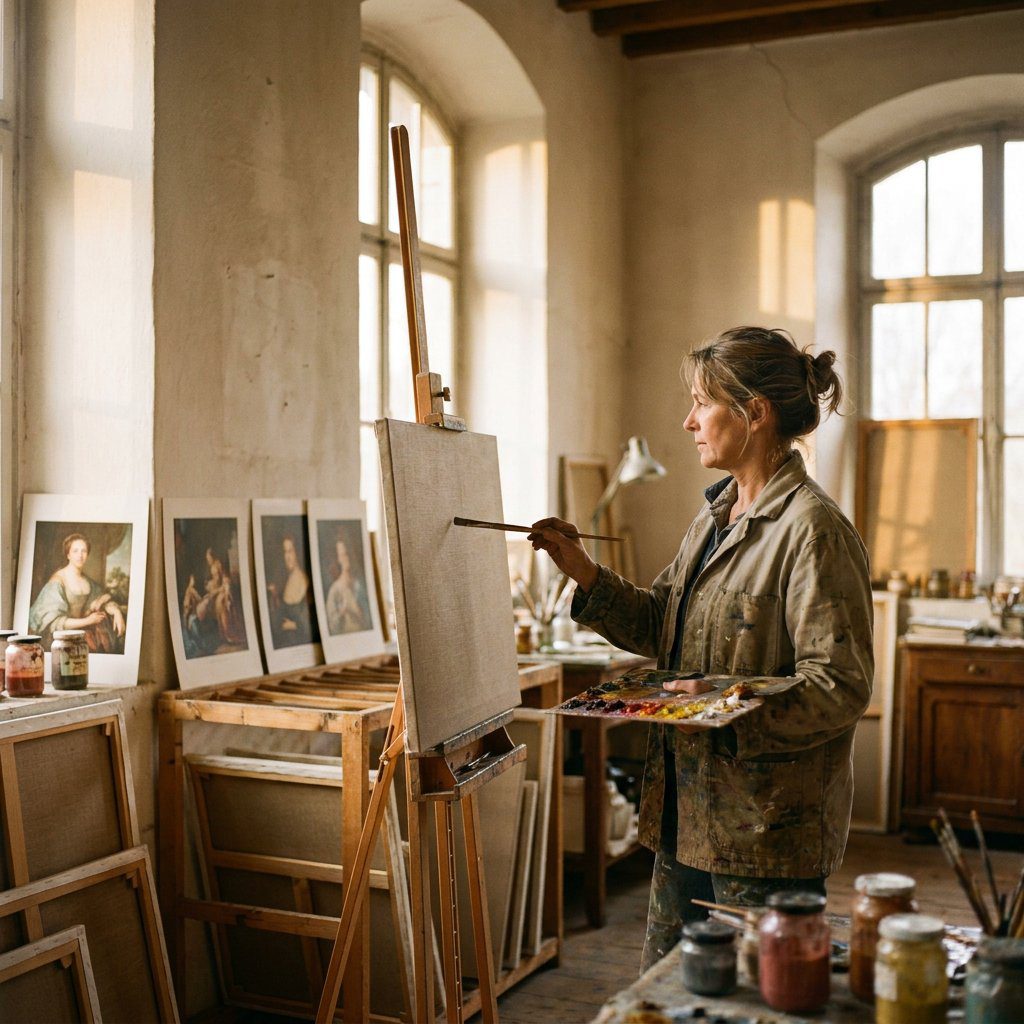
Museum-quality replicas take a fundamentally different approach. The process begins with studying the original work—not from a digital file pulled from the internet, but from authoritative sources, museum archives, and direct examination when possible. Artisans who specialize in specific periods and techniques then recreate the piece entirely by hand.
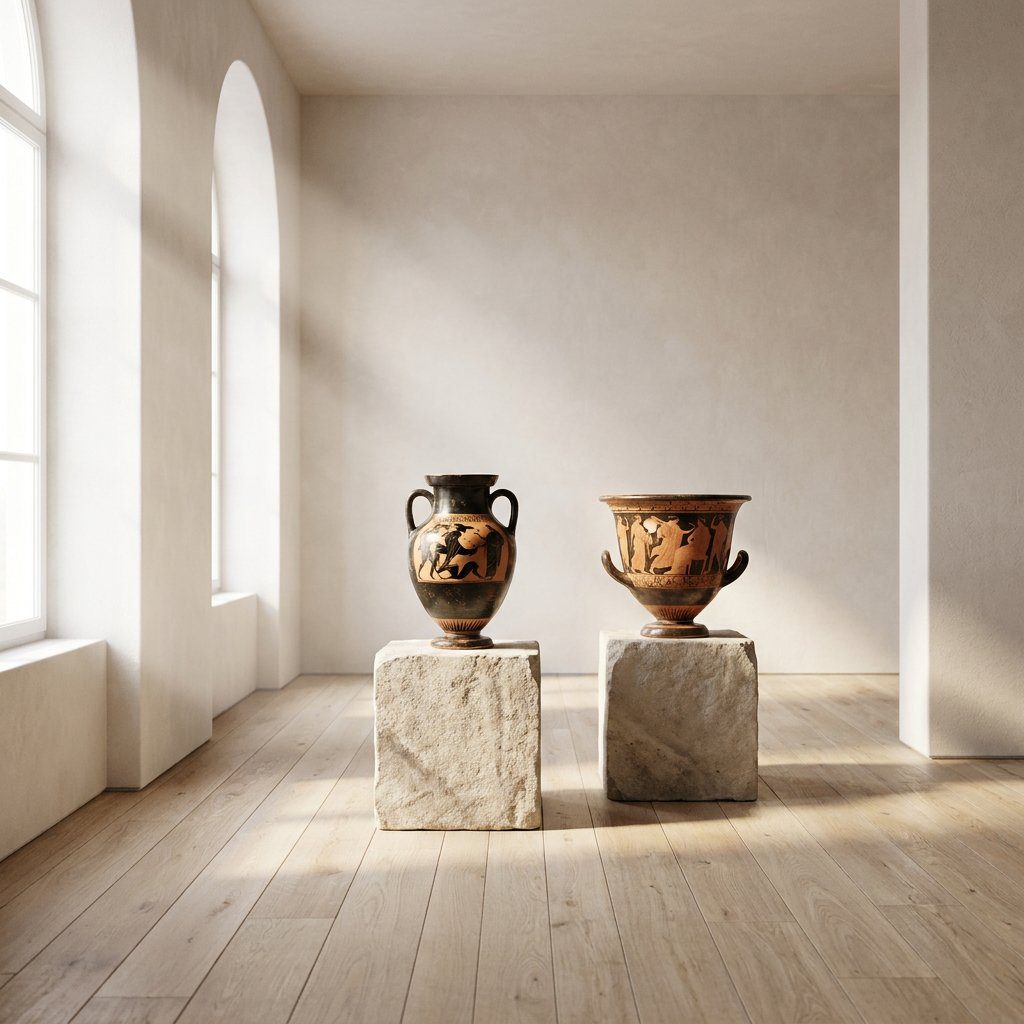
Consider a Greek krater. A mass-produced version gets molded from resin and painted to approximate age. A museum-quality replica gets thrown on a wheel by a master potter in Greece, fired in a kiln at precise temperatures, and decorated using the same red-figure or black-figure techniques that ancient potters perfected over centuries. The clay composition matters. The firing temperature matters. The brushwork matters. You end up with something that experts would need to examine closely to distinguish from a piece excavated from an archaeological site.
This level of authenticity creates an entirely different presence in professional spaces. Clients notice the difference, even when they can’t articulate why. Employees feel the distinction between working in environments that value quality and spaces that just needed to fill walls before the lease started.
The investment reflects this gap. Museum replicas for California offices cost more than mass-produced alternatives—sometimes significantly more. But they also last decades, maintain their value, and create the kind of environment that makes people want to spend time in your office. For California businesses competing for talent and clients in markets from Sacramento to Silicon Valley, that’s not decoration. That’s infrastructure that pays dividends daily.
Public domain compliance adds another layer of value that matters more than most people realize. We work exclusively with art from artists who died at least 70 years ago. That means no copyright concerns, no licensing fees, and no legal ambiguity. You own a legitimate piece inspired by historical work, not a knockoff skating legal boundaries that could surface as problems later.
How 2026 California Office Design Shapes Art Selection
California office design in 2026 has shifted decisively away from the stark minimalism that dominated the previous decade. You’re seeing warmer color palettes now—sage greens, terracottas, natural woods replacing endless expanses of white and gray. Spaces prioritize comfort and sensory depth over pure functionality.
This evolution creates new opportunities for museum replicas. A bronze sculpture that might have felt too traditional five years ago now complements the warmer, more textured interiors trending across Sacramento, San Francisco, and Silicon Valley. Classical art doesn’t fight with modern design anymore—it anchors it, providing historical weight that balances contemporary materials and layouts.
Regional context matters more than it used to. California offices are incorporating materials and forms that speak to local culture and craftsmanship. Hand-thrown ceramics, artisan-made pieces, work that shows evidence of human process rather than machine production. Museum replicas fit naturally into this movement because they’re created the same way—by skilled craftspeople using traditional techniques that honor historical methods.
The tech sector, particularly in Silicon Valley, continues influencing design across the state. But the aesthetic has evolved substantially. Early tech offices leaned heavily into futuristic, almost sterile environments that felt more like laboratories than workplaces. Now you’re seeing companies blend innovation with history, pairing cutting-edge technology with classical art that provides visual and emotional balance employees actually respond to.
Hybrid work patterns have also changed how offices use space. With fewer people in the office daily, the spaces need to justify the commute. Art plays a bigger role in creating environments people actually want to be in rather than just tolerate. A well-chosen museum replica in a conference room or break area gives employees something to engage with beyond their screens—a physical connection to history and craftsmanship that remote work can’t replicate no matter how many virtual backgrounds get uploaded.
Acoustics and zoning have become design priorities as open floor plans give way to more varied layouts. Different areas serve different purposes throughout the day. Museum replicas help define these zones visually. A large piece in the reception area sets the tone for client meetings. Smaller works in focus areas provide visual interest without creating distraction. Sculptures in collaboration spaces become conversation starters that facilitate the informal interactions companies want to encourage but can’t force.
The key is understanding that selecting museum replicas for California offices isn’t separate from these broader design trends—it’s integral to them. The pieces you choose should work with your office’s materials, lighting, and layout, not fight against them. A Greek vase looks completely different under warm LED lighting than it does bathed in natural light. A painting’s impact changes depending on whether it’s viewed from across an open floor plan or from a seated position in a private office.
California’s diverse business landscape means there’s no single correct answer. A law firm in Sacramento might lean toward classical sculptures that convey gravitas and respect for tradition. A design studio in Oakland might prefer bold Renaissance reproductions that spark creativity and demonstrate artistic knowledge. A tech company in San Jose could mix ancient Greek pottery with modern furniture to balance innovation with timelessness. The art should reflect your specific culture and the impression you want to create, not follow a generic formula that works nowhere particularly well.
Sizing Museum Replicas Correctly for Office Spaces
Get the size wrong and even museum-quality art looks like a mistake. Too small and your space feels cheap or unfinished. Too large and it overwhelms the room, making visitors uncomfortable before they sit down for meetings.
The math is straightforward. For art hanging above furniture, aim for pieces that span two-thirds to three-quarters of the furniture’s width. A six-foot reception desk calls for art roughly four to five feet wide. Anything less looks like an afterthought. Anything more crowds the space and creates visual imbalance that people sense immediately.
Medium-sized pieces—roughly 18 by 24 inches to 24 by 36 inches—work for most private offices and conference rooms. They create impact without dominating. Large works, 30 by 40 inches and up, belong in executive spaces, reception areas, and anywhere you need to make a statement that people remember. Oversized pieces, anything over 40 inches, require professional installation and careful consideration of sight lines, but they transform lobbies and large conference rooms into memorable spaces that separate your office from competitors.

Strategic Placement of Museum Replicas in California Offices
Location determines whether your museum replica enhances your space or gets ignored entirely. The reception area represents your highest-stakes placement. Clients form opinions about your business within seven seconds of walking through the door—research confirms this repeatedly. The art they see in that moment shapes their perception of your attention to detail, your values, and whether you’re the kind of company that invests in quality or cuts corners hoping nobody notices.
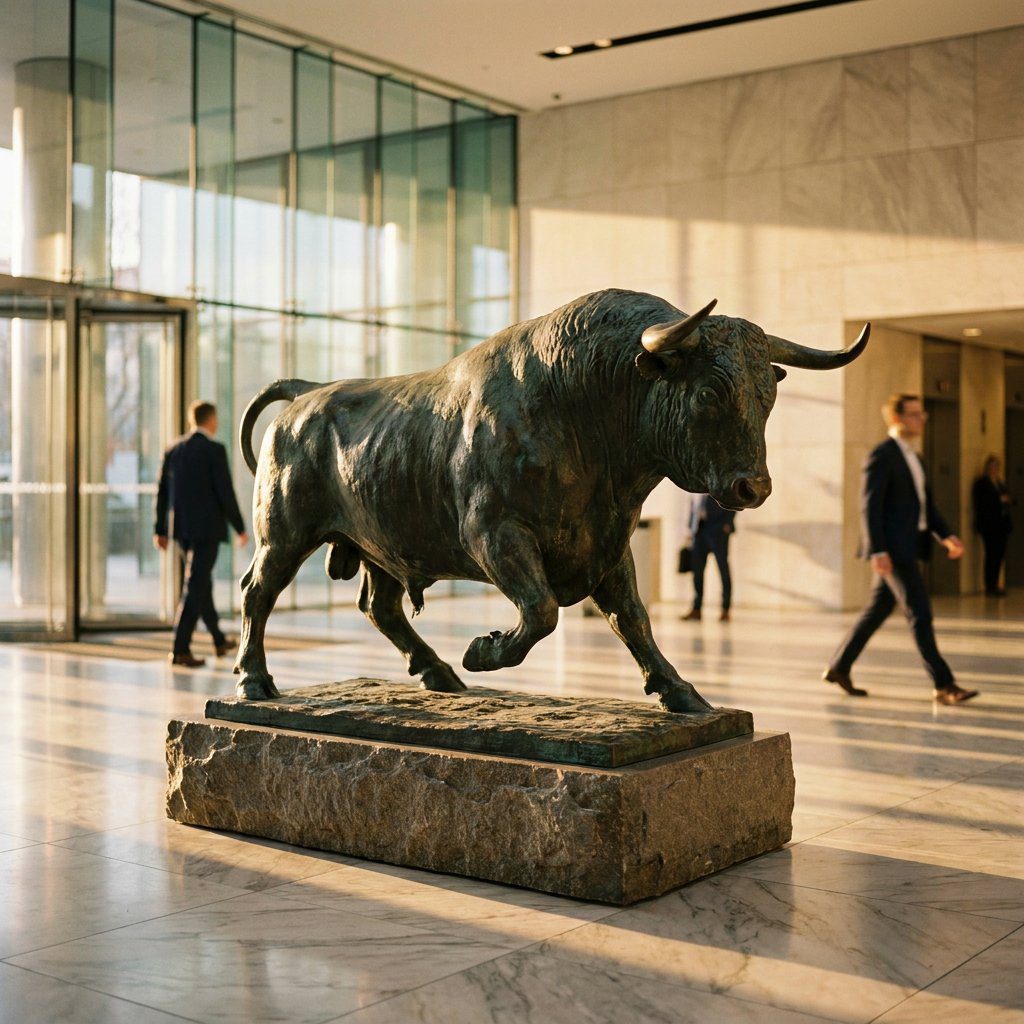
Choose something with genuine presence for this spot. A large sculpture on a pedestal that commands attention. A striking painting that draws the eye immediately upon entry. A museum-quality Greek vase that starts conversations before formal introductions begin. This isn’t the place for subtlety or safe choices—you need a piece that announces your standards before anyone reaches the front desk or exchanges business cards.
Conference rooms require different thinking entirely. Art here needs to enhance the space without competing for attention during meetings. A single large piece behind the main table works well. So does a series of smaller works that explore a theme without overwhelming. The key is balance—you want something that adds sophistication and visual interest during downtime but doesn’t distract when people need to focus on presentations, negotiations, or collaborative work sessions.
Private offices give you more flexibility to express individual taste. The art can be more personal, more specific to individual preferences, but it should still maintain a professional tone that aligns with your broader office aesthetic. A smaller sculpture on a credenza. A medium-sized painting visible during video calls. These pieces shape how colleagues and clients perceive you, so choose work that reinforces the impression you want to create rather than contradicting it.
Break rooms and collaboration areas benefit from art that encourages people to pause and engage mentally. Nature-inspired pieces work well here—they provide a mental break from screens and deadlines that dominate most workdays. Classical reproductions can spark conversations between employees who might not otherwise interact beyond project requirements. The goal is creating spaces that feel distinct from workstations, places where people want to spend their break time rather than just grabbing coffee and returning to their desks immediately.
Hallways and circulation spaces often get overlooked during planning, but they’re opportunities to reinforce your aesthetic throughout the office. A series of smaller works creates visual rhythm as people move through the space. Sculptures on pedestals at intersections become landmarks that help orient visitors and new employees. These pieces don’t need to be as impactful as your reception area art, but they should feel intentional, not like afterthoughts filling blank walls because someone realized they looked empty.
Lighting dramatically affects how museum replicas appear throughout the day. Natural light changes from morning sun to afternoon shade, so consider how a piece looks across different times. Artificial lighting gives you more control but requires planning. Warm LEDs complement classical art better than cool fluorescents that wash out colors and flatten textures. Spotlights can create drama but may also create glare depending on the piece’s surface and your viewing angles.
Height matters as much as location. The standard rule—center the piece so its midpoint sits 57 to 60 inches from the floor—works for most situations. But adjust based on your specific context. Art in a space where people mostly stand (like a reception area) can hang slightly higher. Pieces viewed primarily while seated (like in a private office) might work better slightly lower. Trust your eye, but start with the standard measurement and adjust from there based on actual viewing patterns.
California offices often feature open floor plans that blur the lines between different functional areas. Use museum replicas to help define these zones visually. A large piece can anchor a collaboration area, signaling that this space serves a different purpose than the quiet focus zones nearby. Consistent style across pieces creates visual cohesion even in varied layouts, helping the entire office feel intentional rather than haphazard or assembled piecemeal over time without overall vision.
Matching Museum Replica Styles to California Office Types
Not every museum replica works in every office environment. A Greek krater that looks perfect in a law firm’s traditional conference room might feel completely out of place in a startup’s casual workspace. The art should complement your industry, your company culture, and the specific atmosphere you’re creating—not fight against it.
Professional services firms—law offices, accounting practices, consulting firms—often lean toward classical sculptures and Renaissance paintings. These pieces convey stability, expertise, and respect for tradition that clients in these industries value. A bronze replica of a Rodin sculpture in your lobby tells clients you value craftsmanship and time-tested excellence. A painting inspired by old masters suggests depth and considered judgment rather than impulsive decision-making.
Tech companies and creative agencies have more latitude to experiment. You can mix ancient Greek pottery with modern furniture to create interesting tension between innovation and tradition. Classical busts can provide gravitas in otherwise casual spaces. The key is intentionality—the contrast should feel deliberate and thoughtful, not accidental or confused.
Design and architecture firms can push boundaries further. Museum replicas here become conversation pieces that demonstrate your eye for aesthetics and your understanding of art history. A well-chosen piece shows clients you can balance respect for tradition with contemporary sensibility—exactly what they want in someone designing their space or building.
Healthcare and wellness spaces benefit from art that promotes calm and contemplation rather than excitement. Classical sculptures with smooth lines and balanced proportions. Paintings with natural subjects and muted palettes. Museum replicas in these settings should reduce stress, not add visual noise to already clinical environments where patients may already feel anxious.
Real estate offices and property management companies can use museum replicas to signal the quality of properties they represent. If you’re selling luxury homes or high-end commercial space, your office art should match that market. Museum-quality pieces tell potential clients you understand and appreciate finer things—that you’re equipped to represent properties at that level rather than just talking about it.
Boutique offices in Sacramento face different considerations than tech campuses in Silicon Valley. Smaller spaces require careful scale management. A single striking piece often works better than multiple smaller works that can make a compact office feel cluttered and busy. Choose replicas that create impact without overwhelming the square footage you’re working with.
Larger Silicon Valley offices can accommodate more ambitious installations. Multiple pieces that tell a story across different areas. Large-scale sculptures that become landmarks within your space. Series of paintings that create visual rhythm as people move through different zones. The challenge here isn’t finding art that fits—it’s maintaining coherence across a larger canvas so the space feels unified rather than disconnected.
Color palettes matter more than many people realize when selecting museum replicas for California offices. Pieces come in various tones and finishes. Bronze sculptures offer warm, rich patinas. Greek pottery ranges from red and black to earth tones. Paintings span the full spectrum. Consider your existing color scheme—wall colors, furniture, flooring—and choose art that complements rather than clashes. That doesn’t mean everything must match perfectly, but there should be visual harmony that feels intentional.
The cultural diversity of California’s business landscape opens doors for museum replicas from various traditions. Greek and Roman classical art. Renaissance masterpieces. Egyptian antiquities. Asian ceramics and sculptures. Choose work that resonates with your company’s values or the specific impression you want to create, but avoid cultural appropriation—stick with pieces you have genuine appreciation for and appropriate context to display respectfully.
Budget constraints don’t eliminate your options, but they do require prioritization. If you can only invest in one or two pieces initially, focus on the highest-impact locations. A museum-quality sculpture in your reception area creates more value than three mediocre pieces scattered throughout the office. You can always add more art over time as budget allows, but that first impression piece needs to be right from day one.
Making Your Final Museum Replica Selection Work
You’ve considered sizing, placement, and style matching. You understand how museum replicas differ from mass-produced alternatives. Now comes the actual decision—choosing specific pieces that will represent your California office for years to come.
Start with your highest-priority space, typically the reception area. This piece sets the tone for everything else. It should be substantial, museum-quality, and aligned with the impression you want clients forming in those first seven seconds. Don’t compromise here. This is your anchor piece, and everything else you add later should work with it rather than compete.
Consider the practical realities of your specific space. Lighting conditions, viewing angles, traffic flow patterns. A sculpture looks completely different depending on whether people see it from one fixed angle or walk around it from multiple perspectives. A painting’s impact changes based on available light and viewing distance. If possible, visualize the piece in your actual space before committing. We offer visualization support that helps you see how art will look in context before installation.
Think long-term rather than following current trends. Design trends change, but museum replicas should outlast them. Choose pieces with timeless appeal that will still feel relevant in five or ten years. Classical art has endured for centuries for good reason—it doesn’t depend on current fashion to create impact or meaning.
We specialize in creating exactly what you envision for your California office. Everything is made-to-order, crafted by master artisans using traditional techniques. You’re not choosing from limited stock—you’re commissioning pieces specific to your needs. That level of customization ensures your art fits your space perfectly, both physically and aesthetically.
Our process includes personal communication at every stage. Progress photos. Opportunities for feedback. Your input shapes the final piece throughout creation. This collaborative approach means you’re never guessing what you’ll receive—you’re involved from concept through completion, ensuring the finished work matches your vision.
For California offices competing in markets from Sacramento to Silicon Valley, the right museum replica isn’t just decoration. It’s a statement about who you are, what you value, and the level of quality clients can expect from working with you. Choose pieces that make that statement clearly, and reach out to us to start creating art that elevates your professional space.
Article details:
- Published by:
- Museum Replicas
- Published to:
- Last modified:
- August 2, 2026
Share:
Continue learning: