
Classical Wall Art
Learn what classical wall art means and how to select timeless pieces. Explore key periods and subjects, sizing and placement tips, and what separates museum-worthy reproductions from generic prints.
Share:
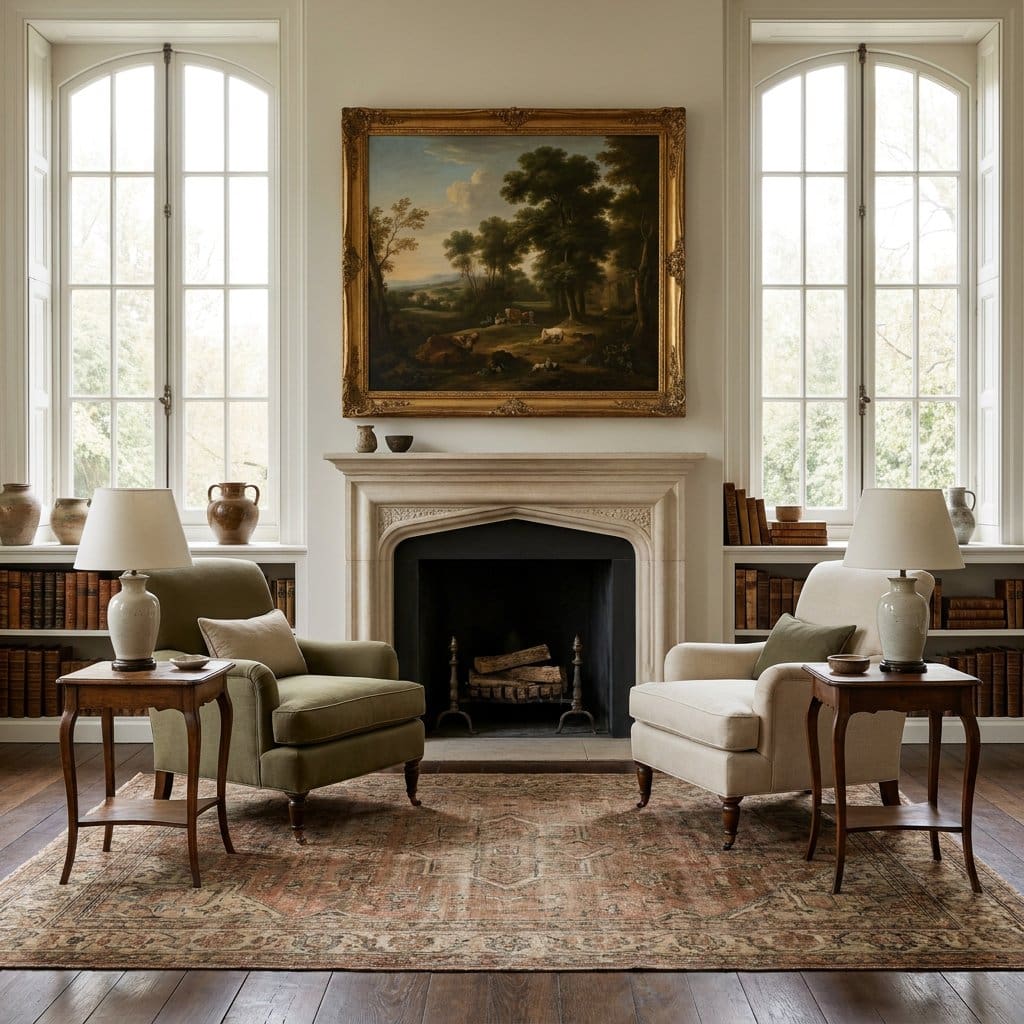
Quality matters far more than trend language. If you are weighing Oil on canvas vs prints, a hand-painted oil reproduction with strong composition and thoughtful presentation will usually create a more convincing classical effect than a generic decorative print. When the aim is timelessness, craftsmanship and proportion do the real work.
The visual qualities that make a piece feel unmistakably classical
What makes classical wall art feel classical is not simply age or ornament. It is the visual discipline within the work: balanced composition, clear proportion, believable form, controlled movement, and a hierarchy that tells the eye where to look first. Figures feel grounded, light is purposeful, and even dramatic scenes retain a sense of order. That is why traditional wall art often brings calm authority to a room, even when the subject itself is energetic.
In interiors, classical usually includes museum-inspired work from the Renaissance, Baroque, Dutch or Flemish, and Romantic traditions, as well as Neoclassical oil paintings, not only imagery from ancient Greece or Rome. These works remain relevant because they add permanence, cultural depth, and visual clarity that trend-driven decor often lacks. By contrast, something that is merely ornate or vintage-looking may borrow old-world details without carrying the structure, realism, and compositional intelligence of truly classic artwork for home.
The periods and subjects that read instantly classical
Most classic wall paintings fall into a few recognizable families. The table below helps you identify the atmosphere each one creates, so you can move from a general preference to a subject that will still read clearly from across the room.
| Period or tradition | What the style tends to look like | Subjects and the mood they create | Useful orientation points |
|---|---|---|---|
| Renaissance oil paintings | Balanced compositions, calm geometry, idealized figures, and carefully ordered space. The overall effect is measured and harmonious rather than theatrical. | Portraits, religious scenes, allegories, and architectural settings often bring dignity and intellectual quiet. In a home, they suit rooms where you want poise and symmetry. | If you respond to the serenity associated with artists such as Raphael or Botticelli, this direction may feel naturally classical to you. |
| Baroque paintings | Stronger contrasts of light and shadow, richer color, fuller movement, and a more dramatic sense of action. The eye is guided through the composition with greater intensity. | Historical scenes, mythological subjects, expressive portraits, and sumptuous interiors create grandeur and visual drama. These pieces can anchor a formal living room or dining room beautifully. | Think of the emotional force and theatrical lighting seen in many seventeenth-century European paintings. |
| Dutch, Flemish, and Realist traditions | Close observation, convincing texture, domestic detail, and clear, readable compositions. The mood is often quieter, but never flat. | Still lifes add refinement, landscapes bring calm, and portraits feel grounded and intelligent. These subjects are especially effective when you want traditional wall pictures with restraint rather than spectacle. | If you admire carefully painted fruit, flowers, table settings, interiors, or luminous countryside views, this family is an excellent guide. |
| Neoclassical | Clean outlines, controlled composition, ideal proportion, and references to antiquity interpreted with polish and discipline. The style feels formal and architecturally minded. | Classical figures, historical scenes, and restrained portraiture give a room order and gravitas. They pair well with paneled walls, fireplaces, and symmetrical furniture layouts. | Choose this route if you prefer clarity, restraint, and a more sculptural sense of design over painterly softness. |
| Romantic | More atmosphere, emotion, sweeping landscapes, and expressive weather or light. The compositions still feel composed, but the mood is more poetic. | Landscapes, seascapes, ruins, and heroic or historical scenes can create depth and feeling without becoming visually chaotic. They work well when you want classical character with more warmth and movement. | If you are drawn to dramatic skies, distant horizons, or narrative scenes with emotional weight, Romantic work is often the right fit. |
If you prefer a lighter, more ornamental classical look, consider Rococo paintings for elegant interiors.
Across all of these traditions, the strongest classical wall pieces share one practical advantage: their composition reads from a distance. Whether you choose portraits for gravitas, landscapes for calm, still lifes for refinement, or mythological scenes for drama, the image should remain legible and coherent from the main viewing position in the room.
How to size and place classical art with confidence
Classical art looks most persuasive when it feels anchored to the architecture and furniture around it. Made-to-order reproductions can be especially helpful here because you are not limited to standard decor sizes.
- Match the artwork to both the wall and the piece beneath it, so it feels intentional rather than adrift or overpowering.
- Choose one statement work when you want a formal focal point; use a balanced pair or a disciplined grouping on broader walls.
- Keep placement centered and easy to read, with enough breathing room around the frame or canvas for the composition to register.
- For a classic gallery wall, tie pieces together through period, palette, subject, or frame finish instead of mixing unrelated looks.
Room by room: using classical wall art in living and dining spaces
| Room | Best use | What to check before choosing |
|---|---|---|
| Living room | Use one large focal painting or a balanced pair above a mantel, sofa, or console. | Align with fireplaces or moldings, and account for ceiling height, wall color, light, and viewing distance. |
| Dining room | Choose calmer landscapes, still lifes, or restrained historical scenes for atmosphere and elegance. | Keep placement centered, use classic framing, and avoid subjects that feel too visually intense at close range. |
Framed or canvas? Choosing a presentation with staying power
Framed oil painting reproductions usually feel more formal, structured, and complete, which is why they suit living rooms and dining rooms that rely on polish and architectural order. Canvas presentation can feel more immediate and painterly, especially when you want the brushwork to take the lead. In either case, the frame’s material, profile, and finish should support the period of the image rather than compete with it. When the goal is a museum-inspired result, hand-painted oil reproductions, whether presented in a frame or as canvas, remain the most convincing formats. For guidance on frames and finishes that elevate display, see our Framed oil painting reproductions guide.
What to look for in museum-worthy reproductions
A serious reproduction should preserve the character of the original work, not simply imitate its subject. If you are comparing reproductions of famous paintings online, use a checklist that focuses on substance rather than decorative styling alone.
- Faithful drawing and proportion: Figures, faces, drapery, architecture, and perspective should feel coherent and deliberate. Weak drawing is often the clearest sign that a piece only borrows a classical look.
- Color and depth: Look for believable tonal transitions, dimensional modeling, and light that gives the composition atmosphere. Flat color can make even a famous image feel generic.
- Materials that support longevity: The surface, support, and finish should feel durable and appropriate to the work. A classical image loses authority quickly if the presentation feels flimsy.
- Respect for the original painting: A true oil painting reproduction keeps the structure, mood, and visual rhythm of the source instead of simplifying details for decorative effect.
- Transparent sourcing: The seller should clearly identify the original artwork and present the reproduction honestly. For historical reproductions, it also matters that the work is drawn from public-domain sources.
- Thoughtful mounting or framing: Check how the piece is stretched, mounted, or framed, because presentation strongly affects whether it reads as refined classical wall art or ordinary wall decor.
This is where a specialist approach matters. Museum Replicas focuses on handcrafted oil paintings of public-domain masterpieces, with custom sizing that helps each piece suit the space it will inhabit. For readers seeking classical wall art with genuine presence, that combination of craftsmanship, historical respect, and tailored scale is far more meaningful than mass-market imitation.
Article details:
- Published by:
- Museum Replicas
- Published to:
- Last modified:
- October 27, 2026
Share:
Continue learning: